Yurong Power

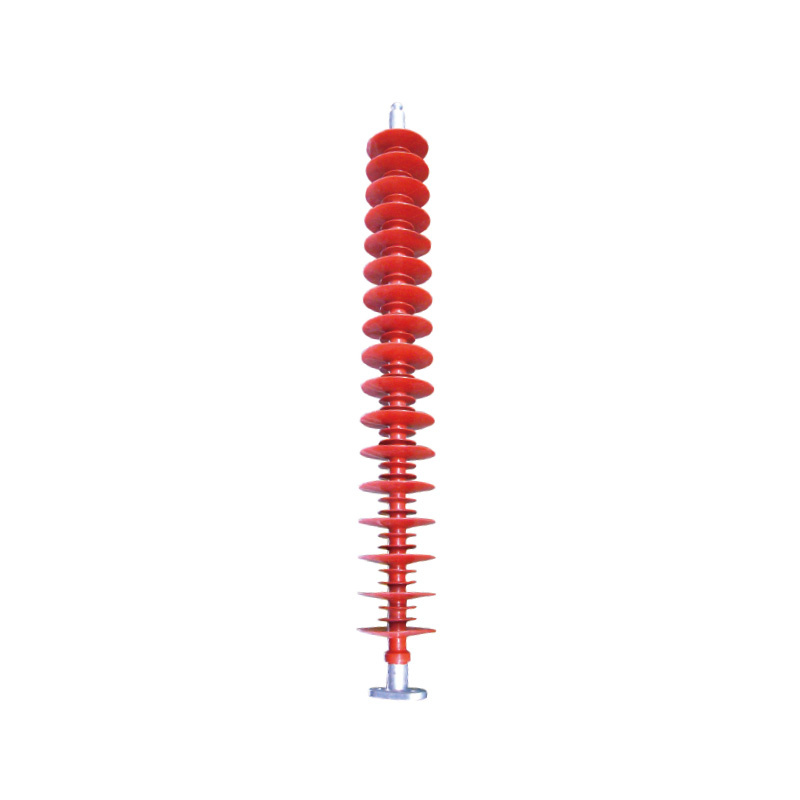
Composite windproof insulators are mainly used in overhead transmission lines to prevent wind deflection, dancing, or excessive swinging of wires under strong winds, thereby avoiding insufficient electrical clearance between wires and towers, crossarms, and preventing accidents such as flashover and short circuits.
Its main uses include:
1. Improving the wind resistance of the transmission line can effectively limit the wind deflection angle of the conductor in areas with frequent strong winds and typhoons, ensuring a safe distance between the conductor and the tower.
2. Prevent wind deflection flashover accidents. During strong winds, the wires are prone to shift towards the tower side, causing a decrease in air gap and triggering flashover. Windproof insulators improve the safety of line operation by increasing the insulation distance or limiting swinging.
3. Suitable for special areas such as large spans, canyons, and wind vents where the wind speed is high and the direction is variable, the wind deviation of the conductor is more severe, and windproof insulators can significantly improve the stability of the line.
4. The key protection of high-voltage and ultra high voltage transmission lines is commonly used for transmission lines with voltage levels of 110kV, 220kV, 500kV and above, and is an important component to ensure the safe operation of the lines.
5. Replace traditional insulators and enhance windproof performance by adding windproof offset structures on the basis of the original insulator string, or directly using composite windproof offset insulators to balance insulation and windproof functions.
6. Improve the resistance of the line to icing and dancing. Under the combined action of icing and strong winds, the conductor is prone to dancing. Windproof insulators can reduce the amplitude of swinging and lower the risk of dancing.

Composite windproof insulators are mainly used in overhead transmission lines to prevent wind deflection, dancing, or excessive swinging of wires under strong winds, thereby avoiding insufficient electrical clearance between wires and towers, crossarms, and preventing accidents such as flashover and short circuits.
Its main uses include:
1. Improving the wind resistance of the transmission line can effectively limit the wind deflection angle of the conductor in areas with frequent strong winds and typhoons, ensuring a safe distance between the conductor and the tower.
2. Prevent wind deflection flashover accidents. During strong winds, the wires are prone to shift towards the tower side, causing a decrease in air gap and triggering flashover. Windproof insulators improve the safety of line operation by increasing the insulation distance or limiting swinging.
3. Suitable for special areas such as large spans, canyons, and wind vents where the wind speed is high and the direction is variable, the wind deviation of the conductor is more severe, and windproof insulators can significantly improve the stability of the line.
4. The key protection of high-voltage and ultra high voltage transmission lines is commonly used for transmission lines with voltage levels of 110kV, 220kV, 500kV and above, and is an important component to ensure the safe operation of the lines.
5. Replace traditional insulators and enhance windproof performance by adding windproof offset structures on the basis of the original insulator string, or directly using composite windproof offset insulators to balance insulation and windproof functions.
6. Improve the resistance of the line to icing and dancing. Under the combined action of icing and strong winds, the conductor is prone to dancing. Windproof insulators can reduce the amplitude of swinging and lower the risk of dancing.

Contact: Manager Guo Phone: +86 18931752716 Company Address: 061 Xizhang Village, Xingbieying Town, Hejian City, Cangzhou City, Hebei Province