

Yurong Power

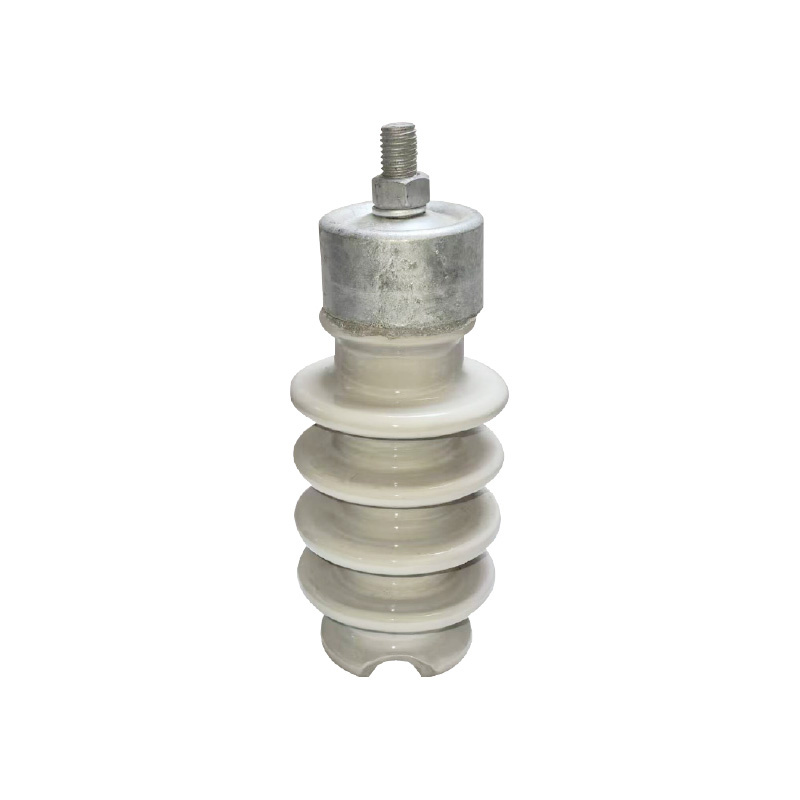
Column porcelain insulator is an important insulation and support equipment in power systems, widely used in overhead transmission and distribution lines. Its main purpose is to support the wires while ensuring reliable electrical insulation between the wires and the grounded tower.
Specifically, its uses can be divided into the following two core aspects:
1. Electrical insulation
Isolation voltage: This is its most basic function. Column ceramic insulators can effectively isolate the voltage between high-voltage transmission lines and the metal towers carrying them, preventing current leakage to the ground and ensuring the safety of line maintenance personnel and the surrounding environment.
Increasing creepage distance: In order to cope with different environmental conditions, especially in polluted or humid areas, the ceramic surface of column insulators is usually designed in a corrugated shape or with multiple umbrella skirt structures. This design can increase the "creepage distance" (i.e. the length of the path that current needs to travel from the wire to the tower), improving the ability to resist pollution flashover and moisture flashover.
2. Mechanical support
Fixing and supporting wires: The column ceramic insulator is fixed to the cross arm of the tower through its metal base (steel foot) at the bottom, and the wire is supported and fixed at the top through various forms of fittings or structures. It needs to withstand various mechanical loads such as the weight, force, ice and snow loads of the wire itself, as well as the impact force generated during line faults. In summary, column ceramic insulators are essential key components in overhead transmission lines. They are like sturdy "power bridge piers" that ensure the safe transmission of strong electrical energy and reliably support the entire line.
Column porcelain insulator is an important insulation and support equipment in power systems, widely used in overhead transmission and distribution lines. Its main purpose is to support the wires while ensuring reliable electrical insulation between the wires and the grounded tower.
Specifically, its uses can be divided into the following two core aspects:
1. Electrical insulation
Isolation voltage: This is its most basic function. Column ceramic insulators can effectively isolate the voltage between high-voltage transmission lines and the metal towers carrying them, preventing current leakage to the ground and ensuring the safety of line maintenance personnel and the surrounding environment.
Increasing creepage distance: In order to cope with different environmental conditions, especially in polluted or humid areas, the ceramic surface of column insulators is usually designed in a corrugated shape or with multiple umbrella skirt structures. This design can increase the "creepage distance" (i.e. the length of the path that current needs to travel from the wire to the tower), improving the ability to resist pollution flashover and moisture flashover.
2. Mechanical support
Fixing and supporting wires: The column ceramic insulator is fixed to the cross arm of the tower through its metal base (steel foot) at the bottom, and the wire is supported and fixed at the top through various forms of fittings or structures. It needs to withstand various mechanical loads such as the weight, force, ice and snow loads of the wire itself, as well as the impact force generated during line faults. In summary, column ceramic insulators are essential key components in overhead transmission lines. They are like sturdy "power bridge piers" that ensure the safe transmission of strong electrical energy and reliably support the entire line.

Contact: Manager Guo Phone: +86 18931752716 Company Address: 061 Xizhang Village, Xingbieying Town, Hejian City, Cangzhou City, Hebei Province