



Yurong Power
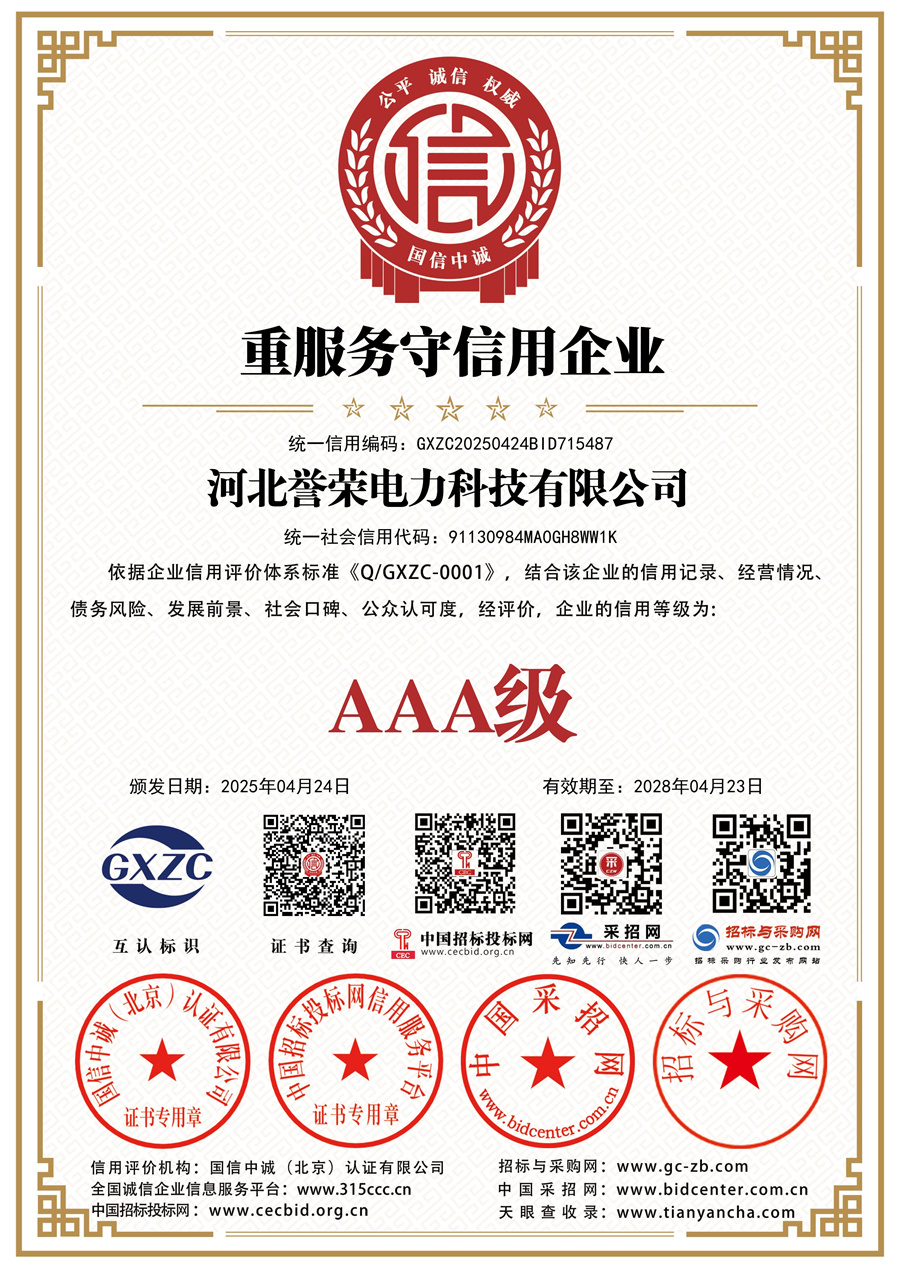
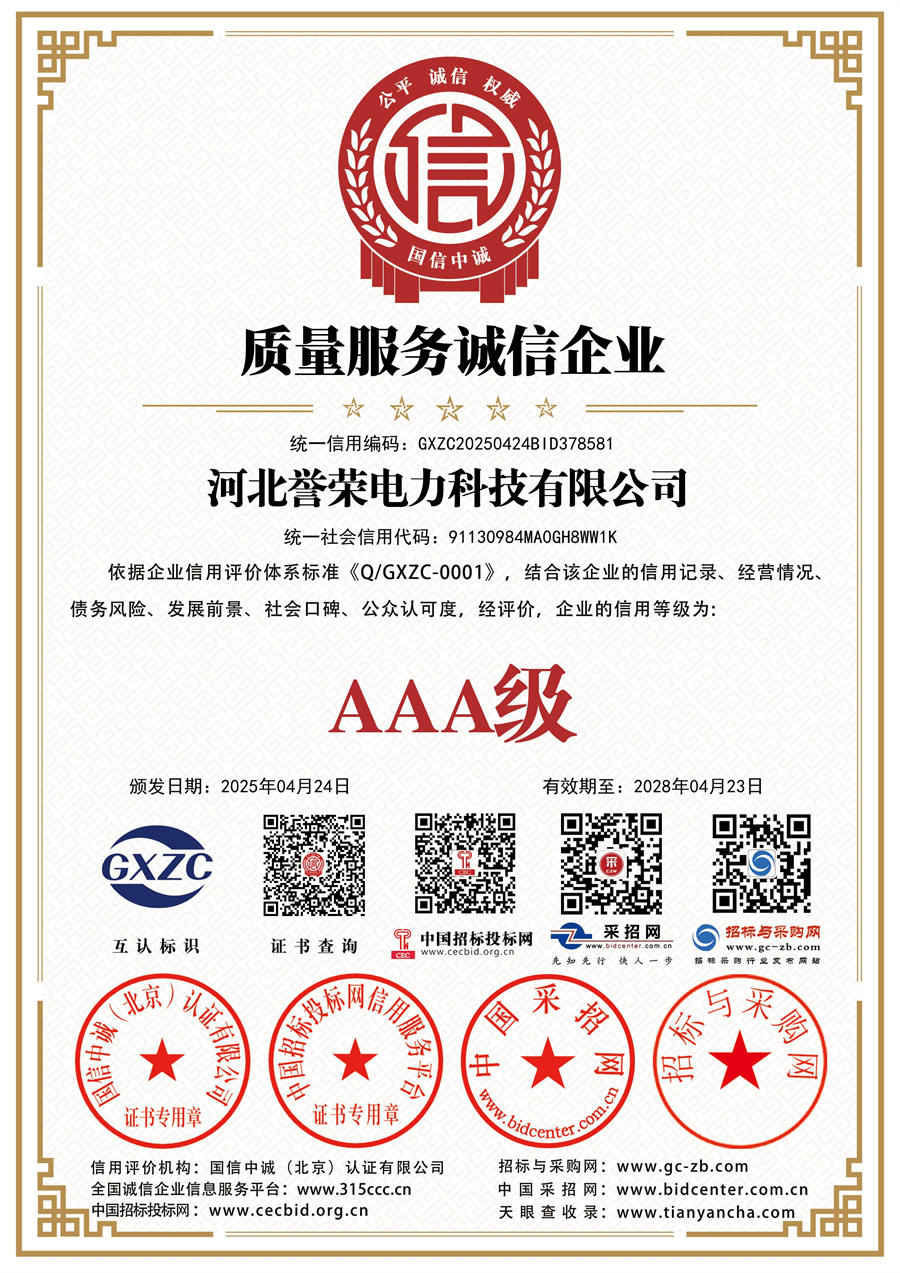
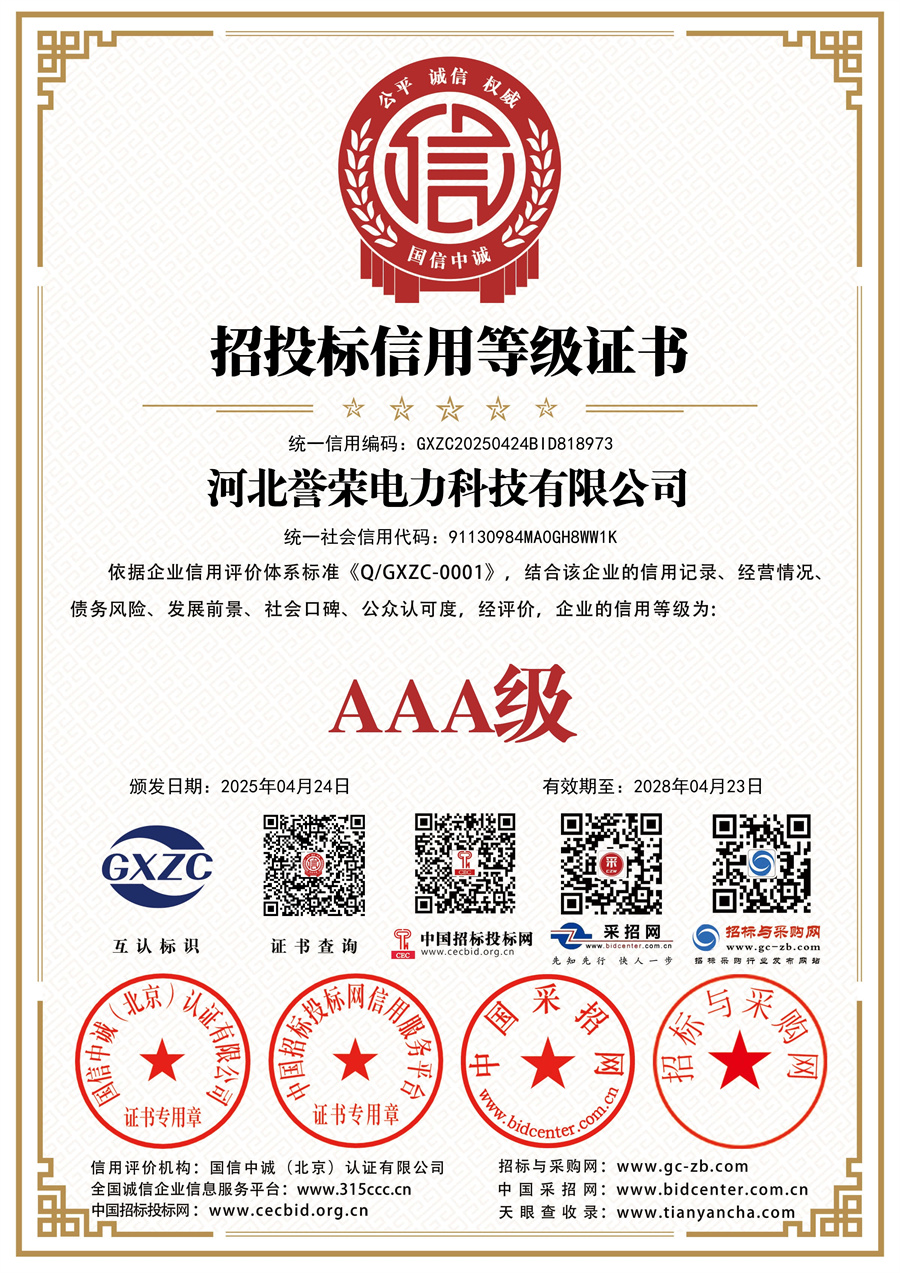
Reputation based on product reputation
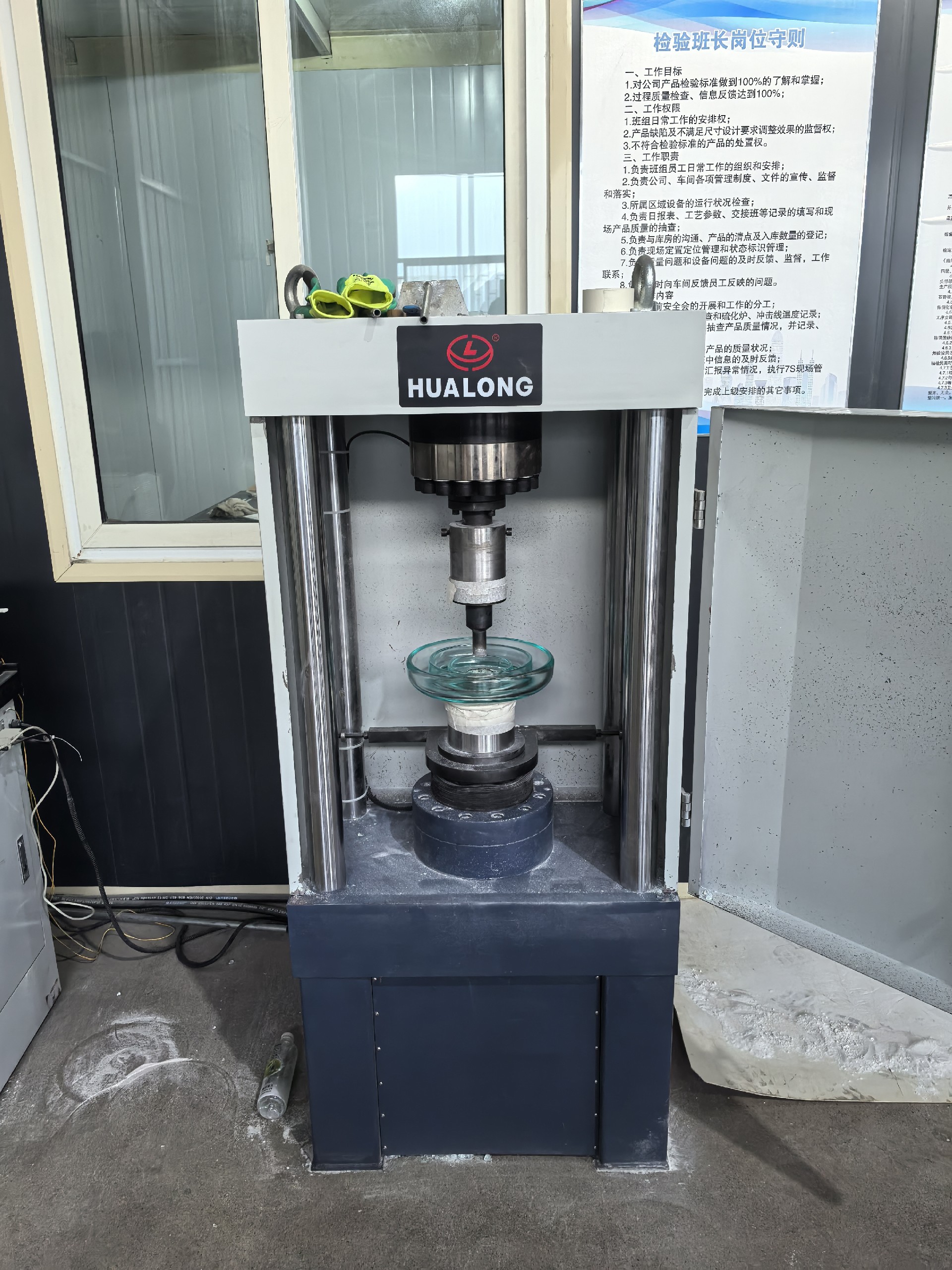
Proud of product quality
Experienced
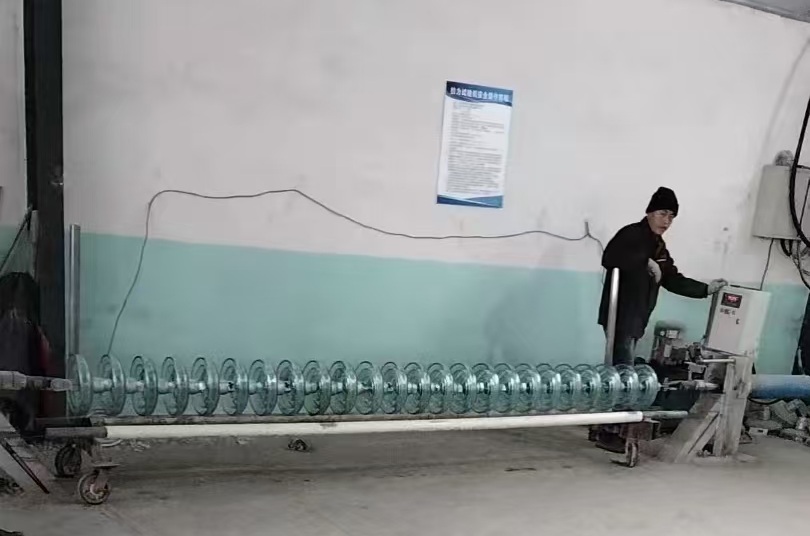
Hebei Yurong Electric Power Technology Co., Ltd. is a company specializing in the research, development, production, and sales of key products such as line insulators (glass insulators, composite insulators, porcelain insulators), line fittings, lightning arresters, fuses, and isolation switch level line equipment. An integrated innovative enterprise. Our brand core lies in the deep integration of "technological leadership" and "social responsibility", committed to providing customers with safe, efficient, and reliable power solutions.
Taking product reputation as our reputation and product quality as our pride "is not only our business philosophy, but also the core values integrated into the bloodline of" Hebei Yurong ". We are well aware that the "reputation" and "honor" in the company name are based on the trust of customers and the recognition of the market. This honor is a great reward for us for always considering product quality as our life and customer reputation as our standard.






Hebei Yurong Electric Power Technology Co., Ltd
Source manufacturer
Reliable quality
Honest Business Practices
Products
Previous
Next
-
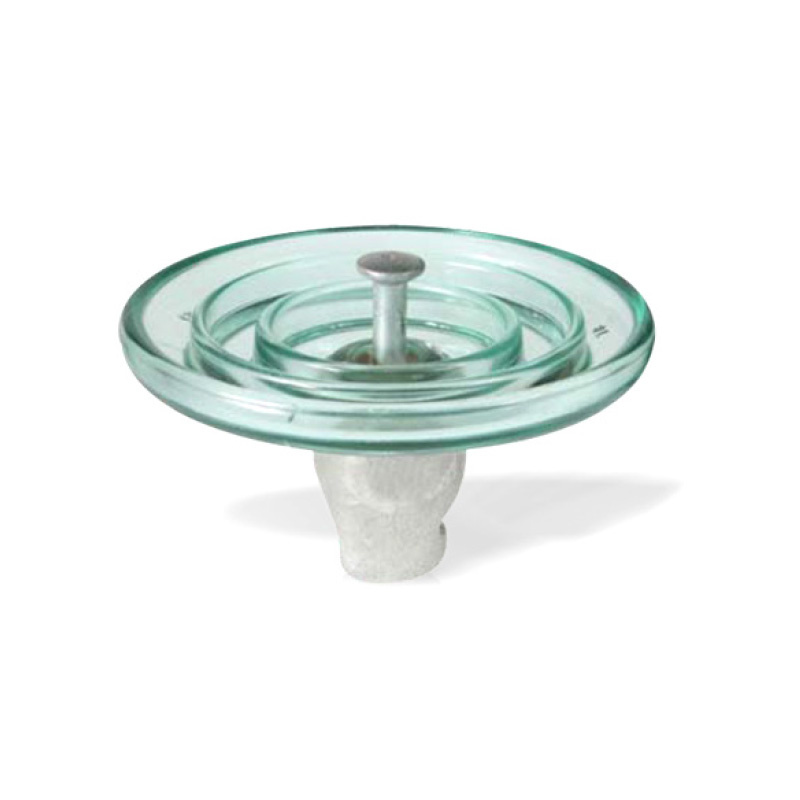 Standard type disc suspension Tempered glass insulator
Glass insulator is an important insulation component used in power systems, mainly for achieving electrical insulation and mechanical support in high-voltage and ultra high voltage AC/DC transmission lines. Specifically, its uses can be divided into the following two core aspects:
1. Electrical insulation
Isolation voltage: This is its most basic function. Glass insulators can effectively isolate the voltage between high-voltage transmission lines and the metal towers carrying them, prevent current leakage to the ground, and ensure the safety of line maintenance personnel and the surrounding environment.
Increasing creepage distance: By using multiple disc-shaped insulators in series to form an insulator string, the path length (i.e. creepage distance) that current needs to pass between the wire and the tower can be significantly increased, thereby improving the overall insulation level of the line and preventing flashover accidents caused by high humidity or surface pollution.
2. Mechanical support
Suspension conductor: Glass insulators securely suspend heavy transmission lines on towers through metal attachments (iron caps and steel feet) at both ends, and withstand various mechanical loads such as the weight of the conductor, wind, ice and snow loads, and impact forces generated during line faults.
价格: 0.00 -
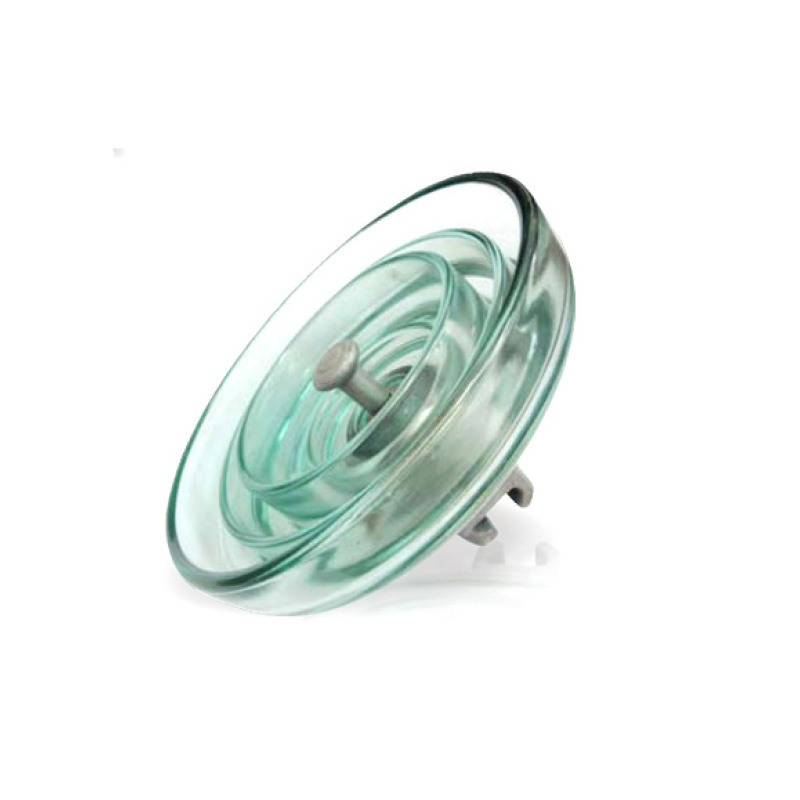 Stain resistant disc suspension type Tempered glass insulator
Glass insulator is an important insulation component used in power systems, mainly for achieving electrical insulation and mechanical support in high-voltage and ultra high voltage AC/DC transmission lines. Specifically, its uses can be divided into the following two core aspects:
1. Electrical insulation
Isolation voltage: This is its most basic function. Glass insulators can effectively isolate the voltage between high-voltage transmission lines and the metal towers carrying them, prevent current leakage to the ground, and ensure the safety of line maintenance personnel and the surrounding environment.
Increasing creepage distance: By using multiple disc-shaped insulators in series to form an insulator string, the path length (i.e. creepage distance) that current needs to pass between the wire and the tower can be significantly increased, thereby improving the overall insulation level of the line and preventing flashover accidents caused by high humidity or surface pollution.
2. Mechanical support
Suspension conductor: Glass insulators securely suspend heavy transmission lines on towers through metal attachments (iron caps and steel feet) at both ends, and withstand various mechanical loads such as the weight of the conductor, wind, ice and snow loads, and impact forces generated during line faults.
价格: 0.00 -
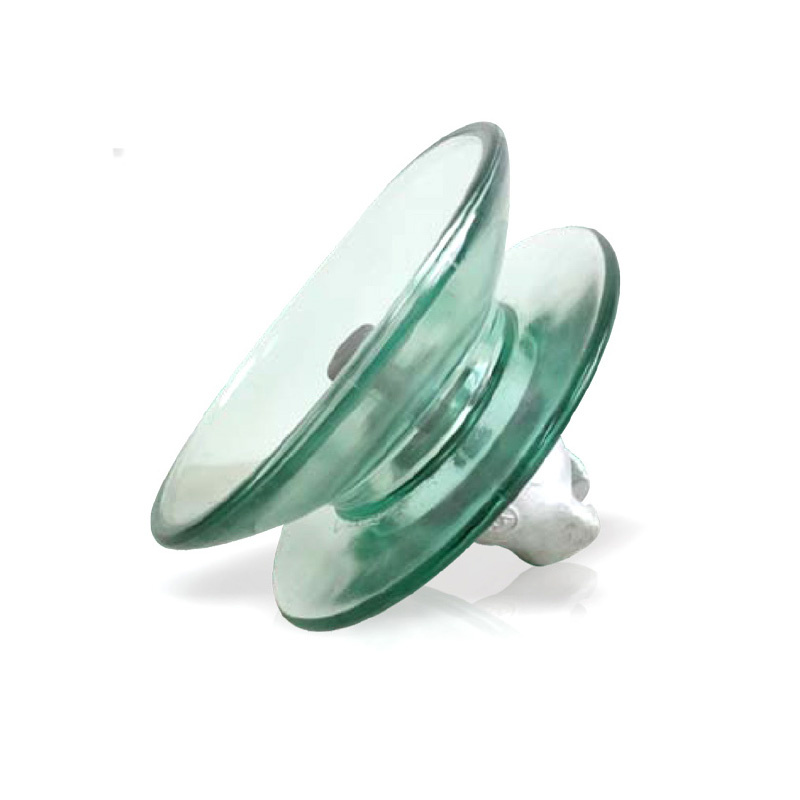 Double umbrella disc suspension Tempered glass insulator
Glass insulator is an important insulation component used in power systems, mainly for achieving electrical insulation and mechanical support in high-voltage and ultra high voltage AC/DC transmission lines. Specifically, its uses can be divided into the following two core aspects:
1. Electrical insulation
Isolation voltage: This is its most basic function. Glass insulators can effectively isolate the voltage between high-voltage transmission lines and the metal towers carrying them, prevent current leakage to the ground, and ensure the safety of line maintenance personnel and the surrounding environment.
Increasing creepage distance: By using multiple disc-shaped insulators in series to form an insulator string, the path length (i.e. creepage distance) that current needs to pass between the wire and the tower can be significantly increased, thereby improving the overall insulation level of the line and preventing flashover accidents caused by high humidity or surface pollution.
2. Mechanical support
Suspension conductor: Glass insulators securely suspend heavy transmission lines on towers through metal attachments (iron caps and steel feet) at both ends, and withstand various mechanical loads such as the weight of the conductor, wind, ice and snow loads, and impact forces generated during line faults.
价格: 0.00 -
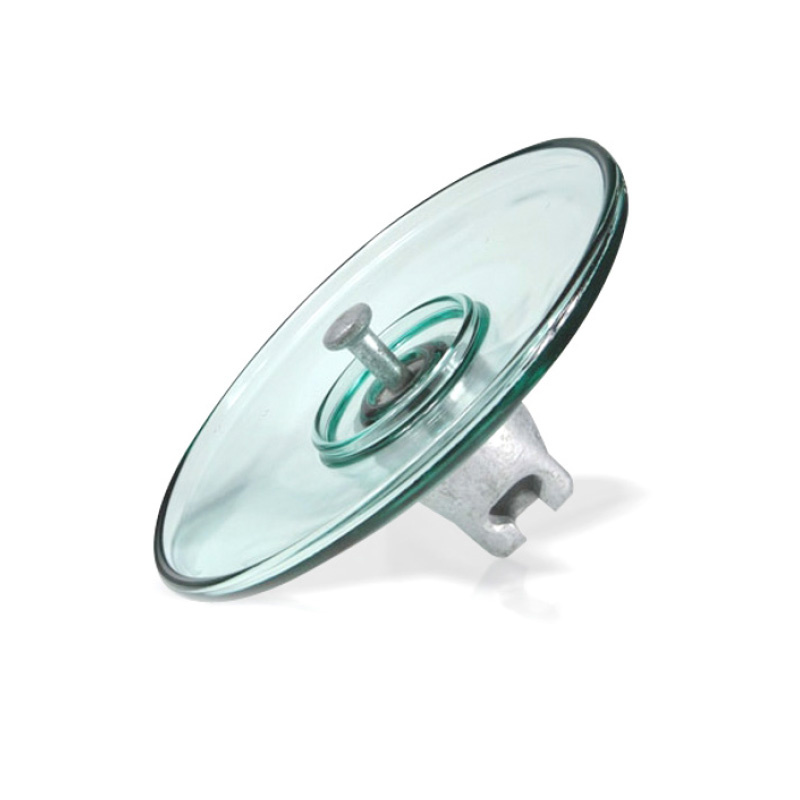 Triple umbrella disc suspension Tempered glass insulator
Glass insulator is an important insulation component used in power systems, mainly for achieving electrical insulation and mechanical support in high-voltage and ultra high voltage AC/DC transmission lines. Specifically, its uses can be divided into the following two core aspects:
1. Electrical insulation
Isolation voltage: This is its most basic function. Glass insulators can effectively isolate the voltage between high-voltage transmission lines and the metal towers carrying them, prevent current leakage to the ground, and ensure the safety of line maintenance personnel and the surrounding environment.
Increasing creepage distance: By using multiple disc-shaped insulators in series to form an insulator string, the path length (i.e. creepage distance) that current needs to pass between the wire and the tower can be significantly increased, thereby improving the overall insulation level of the line and preventing flashover accidents caused by high humidity or surface pollution.
2. Mechanical support
Suspension conductor: Glass insulators securely suspend heavy transmission lines on towers through metal attachments (iron caps and steel feet) at both ends, and withstand various mechanical loads such as the weight of the conductor, wind, ice and snow loads, and impact forces generated during line faults.
价格: 0.00 -
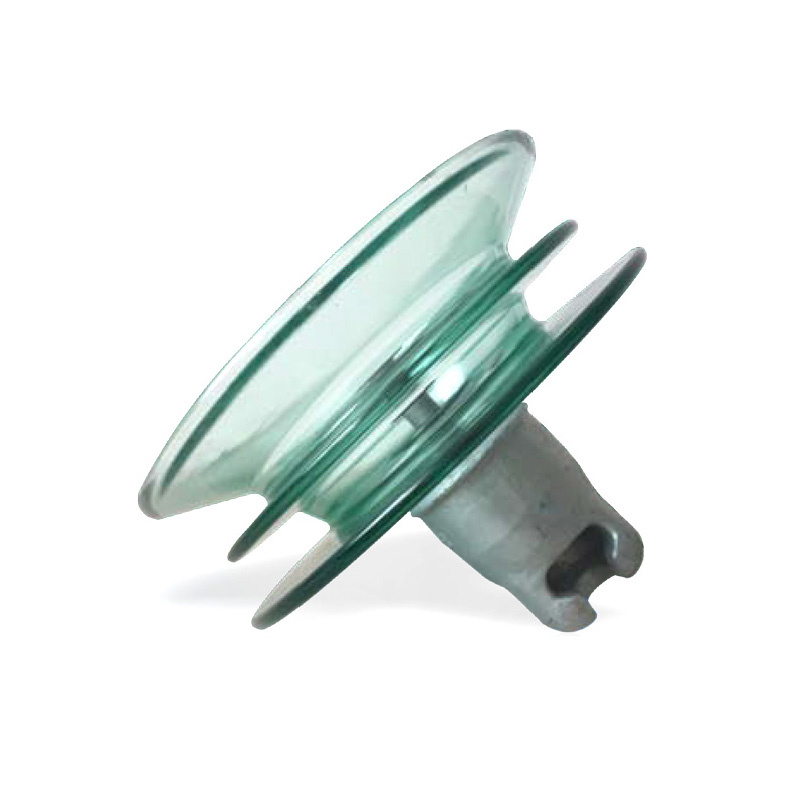 Three umbrella type disc suspension tempered glass insulator
Glass insulator is an important insulation component used in power systems, mainly for achieving electrical insulation and mechanical support in high-voltage and ultra high voltage AC/DC transmission lines. Specifically, its uses can be divided into the following two core aspects:
1. Electrical insulation
Isolation voltage: This is its most basic function. Glass insulators can effectively isolate the voltage between high-voltage transmission lines and the metal towers carrying them, prevent current leakage to the ground, and ensure the safety of line maintenance personnel and the surrounding environment.
Increasing creepage distance: By using multiple disc-shaped insulators in series to form an insulator string, the path length (i.e. creepage distance) that current needs to pass between the wire and the tower can be significantly increased, thereby improving the overall insulation level of the line and preventing flashover accidents caused by high humidity or surface pollution.
2. Mechanical support
Suspension conductor: Glass insulators securely suspend heavy transmission lines on towers through metal attachments (iron caps and steel feet) at both ends, and withstand various mechanical loads such as the weight of the conductor, wind, ice and snow loads, and impact forces generated during line faults.
价格: 0.00 -
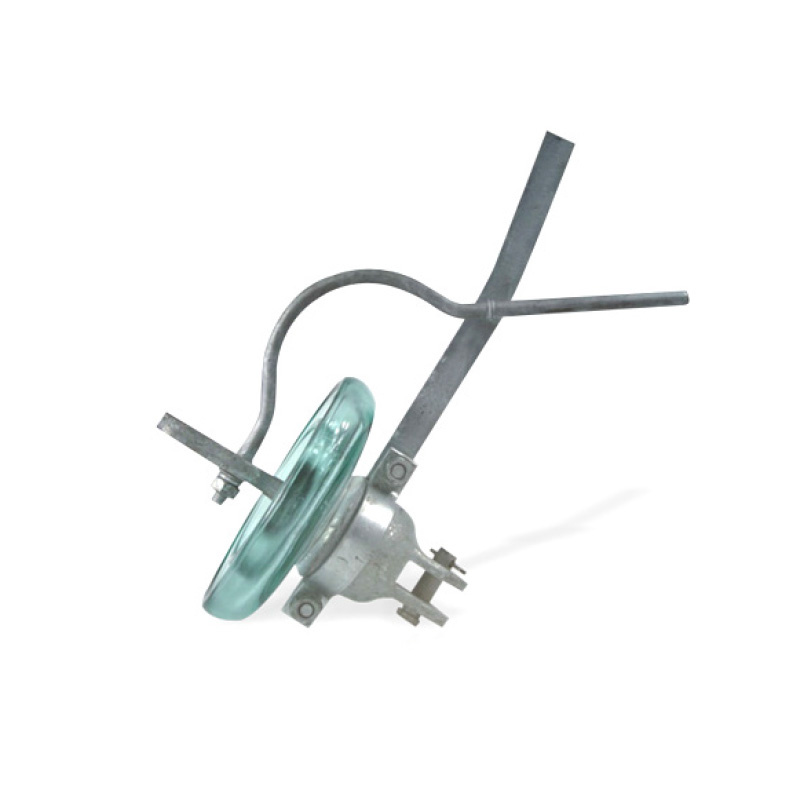 Earth type disc suspension tempered glass insulator
Glass insulator is an important insulation component used in power systems, mainly for achieving electrical insulation and mechanical support in high-voltage and ultra high voltage AC/DC transmission lines. Specifically, its uses can be divided into the following two core aspects:
1. Electrical insulation
Isolation voltage: This is its most basic function. Glass insulators can effectively isolate the voltage between high-voltage transmission lines and the metal towers carrying them, prevent current leakage to the ground, and ensure the safety of line maintenance personnel and the surrounding environment.
Increasing creepage distance: By using multiple disc-shaped insulators in series to form an insulator string, the path length (i.e. creepage distance) that current needs to pass between the wire and the tower can be significantly increased, thereby improving the overall insulation level of the line and preventing flashover accidents caused by high humidity or surface pollution.
2. Mechanical support
Suspension conductor: Glass insulators securely suspend heavy transmission lines on towers through metal attachments (iron caps and steel feet) at both ends, and withstand various mechanical loads such as the weight of the conductor, wind, ice and snow loads, and impact forces generated during line faults.
价格: 0.00 -
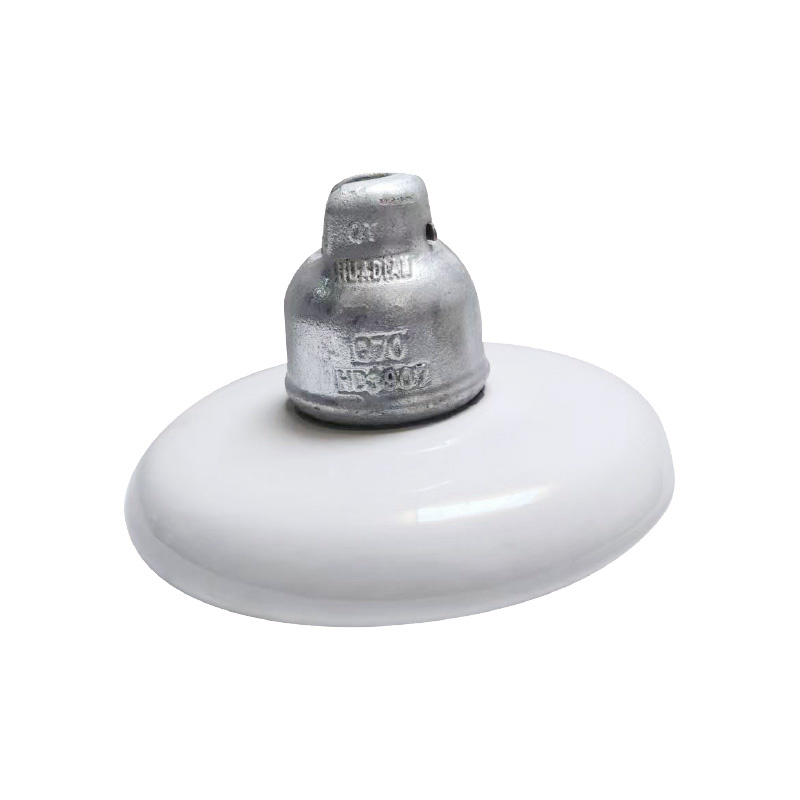 Standard type disc type suspended porcelain insulator
Disc type suspension porcelain insulators are key components in high-voltage and ultra-high voltage overhead transmission lines, mainly used to achieve electrical insulation and mechanical support simultaneously. Specifically, its uses can be divided into the following two core aspects:
1. Electrical insulation
Isolation voltage: This is its most basic function. Ceramic insulators can effectively isolate the voltage between high-voltage transmission lines and grounded metal towers, prevent current leakage, and ensure the safety of lines, equipment, and personnel.
Increasing creepage distance: By connecting multiple disc-shaped insulators in series to form an insulator string, the path length (i.e. creepage distance) that current needs to pass between the wire and the tower can be significantly increased, thereby improving the overall insulation level of the line and preventing flashover accidents caused by high humidity or surface pollution.
2. Mechanical support
Suspended conductor: Ceramic insulators securely suspend heavy transmission lines on towers through metal attachments (iron caps and steel feet) at both ends, and withstand various mechanical loads such as the weight of the conductor, wind, ice and snow loads, and impact forces generated during line faults.
In addition, depending on the usage environment, disc type suspension porcelain insulators have also evolved into specialized types to meet specific needs:
Ordinary type: suitable for transmission lines in general areas.
Pollution resistant type: Designed according to umbrella shaped structures (such as bell jar type, double-layer umbrella type, etc.), it is suitable for areas with severe pollution such as industrial dust, chemical, saline alkali, coastal and foggy areas, and can better resist the risk of pollution flashover.
价格: 0.00 -
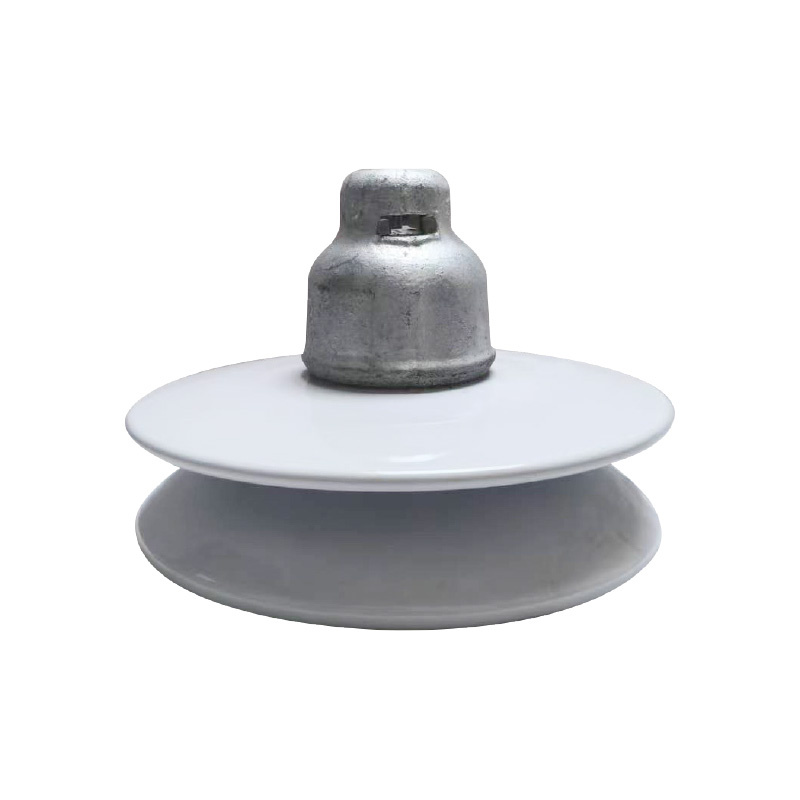 Stain-resistant disk-type suspended porcelain insulator
Disc type suspension porcelain insulators are key components in high-voltage and ultra-high voltage overhead transmission lines, mainly used to achieve electrical insulation and mechanical support simultaneously. Specifically, its uses can be divided into the following two core aspects:
1. Electrical insulation
Isolation voltage: This is its most basic function. Ceramic insulators can effectively isolate the voltage between high-voltage transmission lines and grounded metal towers, prevent current leakage, and ensure the safety of lines, equipment, and personnel.
Increasing creepage distance: By connecting multiple disc-shaped insulators in series to form an insulator string, the path length (i.e. creepage distance) that current needs to pass between the wire and the tower can be significantly increased, thereby improving the overall insulation level of the line and preventing flashover accidents caused by high humidity or surface pollution.
2. Mechanical support
Suspended conductor: Ceramic insulators securely suspend heavy transmission lines on towers through metal attachments (iron caps and steel feet) at both ends, and withstand various mechanical loads such as the weight of the conductor, wind, ice and snow loads, and impact forces generated during line faults.
In addition, depending on the usage environment, disc type suspension porcelain insulators have also evolved into specialized types to meet specific needs:
Ordinary type: suitable for transmission lines in general areas.
Pollution resistant type: Designed according to umbrella shaped structures (such as bell jar type, double-layer umbrella type, etc.), it is suitable for areas with severe pollution such as industrial dust, chemical, saline alkali, coastal and foggy areas, and can better resist the risk of pollution flashover.
价格: 0.00 -
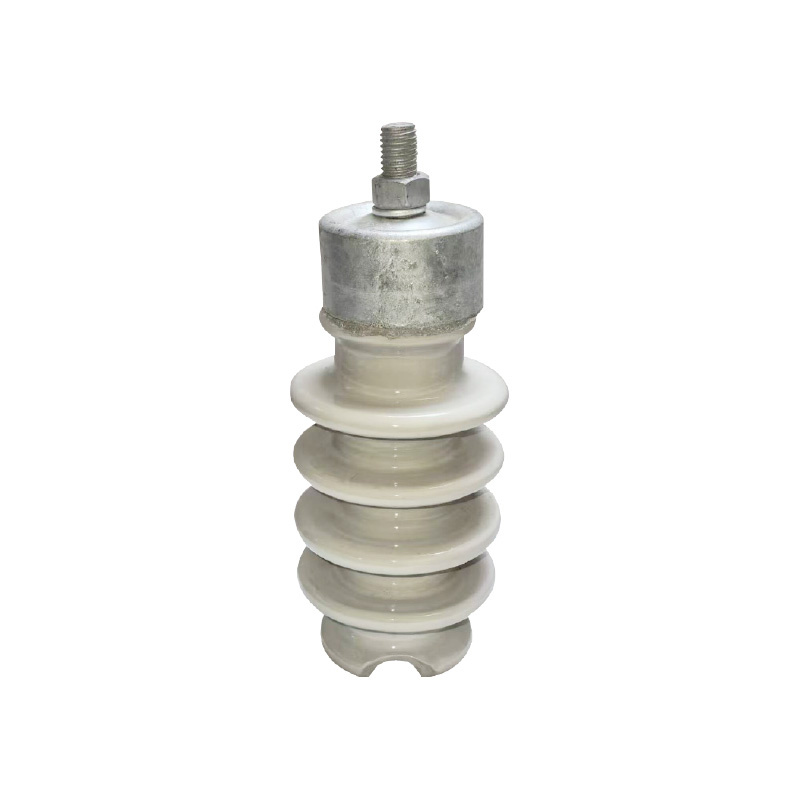 Post type post type porcelain insulator
Column porcelain insulator is an important insulation and support equipment in power systems, widely used in overhead transmission and distribution lines. Its main purpose is to support the wires while ensuring reliable electrical insulation between the wires and the grounded tower.
Specifically, its uses can be divided into the following two core aspects:
1. Electrical insulation
Isolation voltage: This is its most basic function. Column ceramic insulators can effectively isolate the voltage between high-voltage transmission lines and the metal towers carrying them, preventing current leakage to the ground and ensuring the safety of line maintenance personnel and the surrounding environment.
Increasing creepage distance: In order to cope with different environmental conditions, especially in polluted or humid areas, the ceramic surface of column insulators is usually designed in a corrugated shape or with multiple umbrella skirt structures. This design can increase the "creepage distance" (i.e. the length of the path that current needs to travel from the wire to the tower), improving the ability to resist pollution flashover and moisture flashover.
2. Mechanical support
Fixing and supporting wires: The column ceramic insulator is fixed to the cross arm of the tower through its metal base (steel foot) at the bottom, and the wire is supported and fixed at the top through various forms of fittings or structures. It needs to withstand various mechanical loads such as the weight, force, ice and snow loads of the wire itself, as well as the impact force generated during line faults. In summary, column ceramic insulators are essential key components in overhead transmission lines. They are like sturdy "power bridge piers" that ensure the safe transmission of strong electrical energy and reliably support the entire line.
价格: 0.00 -
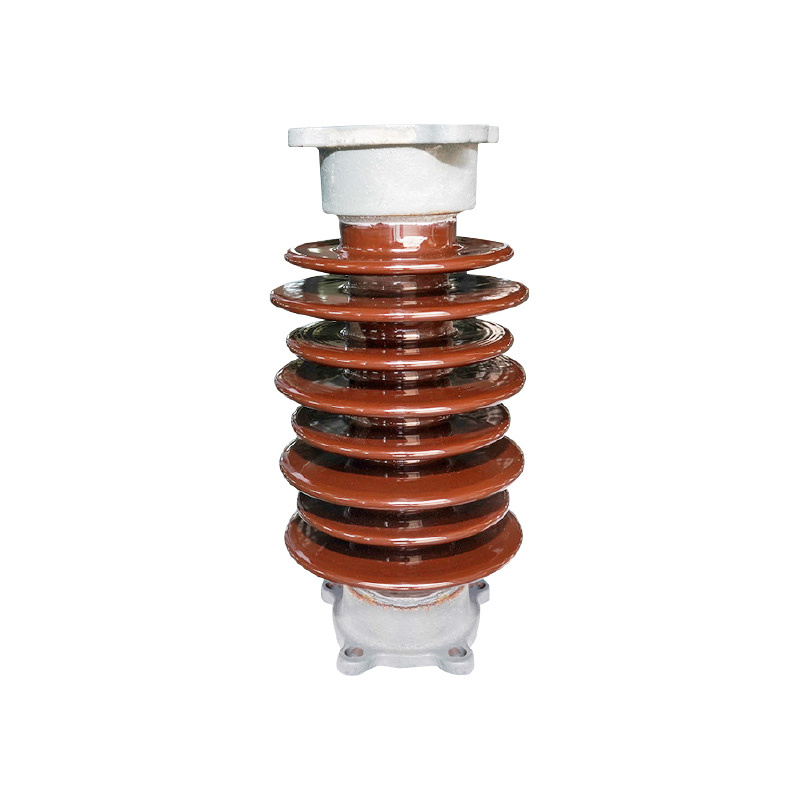 Pillar type porcelain insulator
Pillar porcelain insulator is an insulation and support equipment that plays a critical role in the power system. Its main purpose is to provide rigid support and reliable electrical insulation for electrical equipment in substations and power plants.
Specifically, its uses can be divided into the following two core aspects:
1. Mechanical support
Fixed conductive components: Post ceramic insulators are widely used as pillars or supports for large electrical equipment such as busbars, circuit breakers, isolating switches, voltage transformers, current transformers, etc.
It firmly installs these devices on the ground or foundation, bearing the weight of the devices themselves and various mechanical stresses generated during operation, such as bending moments and torques.
Replace traditional insulators: In some applications, it can replace needle insulators to support wires.
2. Electrical insulation
Isolation of high voltage: This is its most basic function. Pillar porcelain insulators can effectively isolate high voltage between live conductors (such as busbars) and grounded metal structures, prevent current leakage to the ground, and ensure the safety of maintenance personnel and equipment.
Increasing creepage distance: It increases the "creepage distance" by designing a unique umbrella skirt or external structure, which refers to the length of the path that current needs to pass through from the conductor surface through the insulator to the grounding part. This can effectively prevent flashover and breakdown accidents along the surface of insulators caused by environmental factors such as humidity and pollution.
In summary, pillar porcelain insulators are essential key components in substations and power plants. They serve as both a sturdy "support frame" and a reliable "insulation wall", and are crucial for ensuring the safe and stable operation of the entire power grid.
价格: 0.00 -
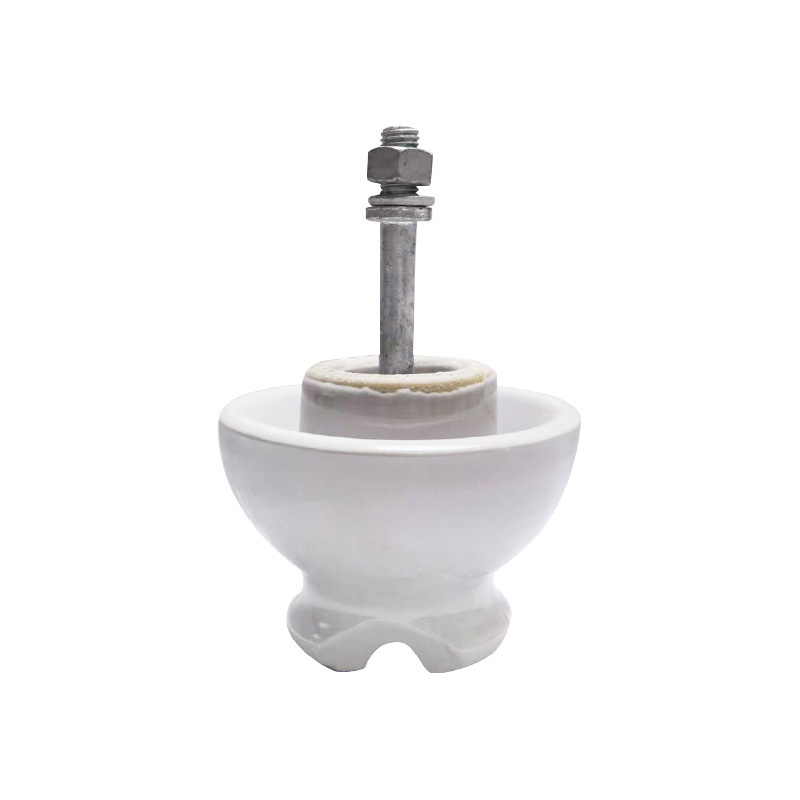 Pin type pin type porcelain insulator
Needle type porcelain insulator, also commonly known as "needle type porcelain bottle", is an insulation and support component mainly used in medium and low voltage overhead power lines. Its design shape resembles a needle, hence its name. Its main uses can be summarized into the following two core aspects:
1. Support and fix wires
Hanging wire: This is the most basic mechanical function of needle type porcelain insulators. It firmly fixes the wire to the insulator through the top cable tray or special structure, bearing various mechanical loads such as the weight of the wire itself, wind, ice and snow loads.
Connection fittings: Metal accessories at both ends of insulators (usually referred to as steel caps and steel feet) are used to connect with the cross arms and wire fixing fittings of the line, forming a complete support system.
2. Implement electrical insulation
Isolation voltage: This is its most basic electrical function. Needle type porcelain insulators can effectively isolate high voltage between live wires and grounded metal towers, prevent accidental leakage of current to the ground, and ensure the safety of line maintenance personnel and the surrounding environment.
Increase creepage distance: Ceramic surfaces are usually coated with a layer of glaze, and some are even designed with specific shapes. This is not only aesthetically pleasing, but more importantly, it can increase the "creepage distance" - the length of the path that current needs to travel from the conductor through the insulator surface to the tower. This can effectively improve the anti pollution flashover and anti moisture flashover capabilities of insulators.
In summary, needle type porcelain insulators are essential key components in medium and low voltage overhead transmission lines. They serve as a sturdy "small bracket" to support the wires and a reliable "insulation wall" to ensure the safety of the lines.
Additional applicable scenarios:
According to relevant information, pin type porcelain insulators are commonly used in power lines with voltage levels ranging from 6kV to 35kV and below, especially suitable for straight poles with small wire cross-sections and corner poles with low stress.
价格: 0.00 -
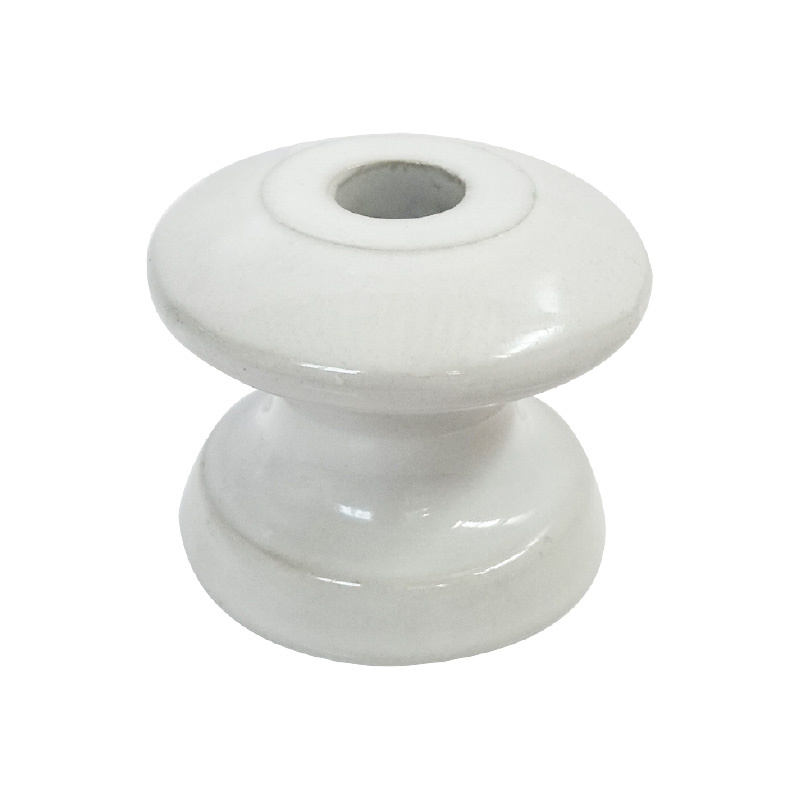 Butterfly type porcelain insulator
Disc porcelain insulator (also commonly written as butterfly porcelain insulator) is an insulation and support component mainly used in low-voltage overhead distribution lines. Its name comes from its appearance, as it has two larger umbrella skirts resembling butterflies.
Its main uses can be summarized into the following two core aspects:
1. Support and fix wires
Binding and fixing wires: This is the core mechanical function of disc-shaped porcelain insulators. It firmly fixes the low-voltage wires using binding wires through grooves on its own structure. It needs to withstand mechanical loads such as the weight of the wire itself and wind force.
Connection fittings: Metal accessories (usually referred to as iron caps and iron feet) at both ends of insulators are used to connect with the cross arm and wire fixing fittings of the line.
2. Implement electrical insulation
Isolation voltage: This is its most basic electrical function. Disc type porcelain insulators can effectively isolate the voltage between live low-voltage conductors and grounded metal towers, prevent current leakage, and ensure the safety of the transmission line.
Increase creepage distance: Its butterfly shaped double umbrella skirt design can effectively increase the "creepage distance" (i.e. the length of the path that current needs to pass from the wire to the tower), improve insulation capacity, especially in humid or slightly polluted environments.
In summary, disc-shaped porcelain insulators are a common insulation component in low-voltage overhead distribution lines, which can reliably fix wires and provide necessary electrical insulation.
价格: 0.00 -
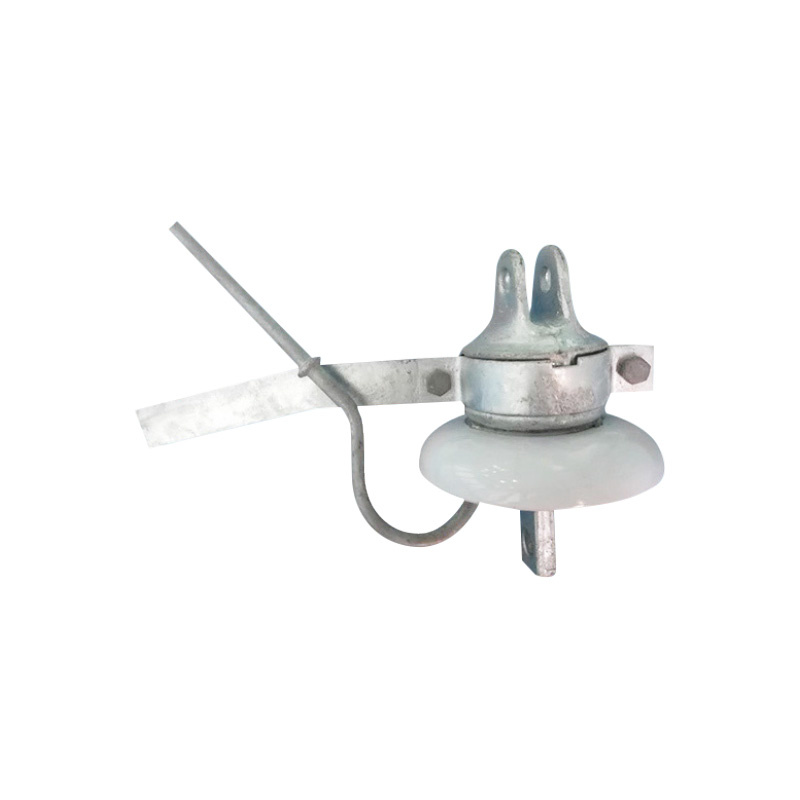 Earth type disc suspension porcelain insulator
Ground wire porcelain insulator is a special purpose insulator designed specifically for the ground wire (or overhead lightning protection wire) of high-voltage overhead transmission lines. Its purpose is different from that of insulators used for wires, and it has a dual function.
Its main uses can be summarized into the following two core aspects:
1. Achieve insulation during normal operation
Isolation of ground wire and iron tower: During normal operation of the transmission line, the ground wire porcelain insulator isolates the ground wire from the grounded iron tower. This causes the ground wire to be in a "floating" state electrically, rather than being directly grounded.
Reducing electrical energy loss: Insulating the ground wire can significantly reduce the circulating current generated in the ground wire due to electromagnetic induction, thereby reducing the energy loss of the transmission line.
Activate carrier communication: The insulated ground wire can serve as a communication channel for transmitting carrier signals of the power system, achieving functions such as line protection and communication.
2. Conduct protection during faults or lightning strikes
Forming a protective gap: Ground wire insulators usually come with a discharge gap composed of upper and lower electrodes. This gap is a critical protective device pre-set on the insulator. Automatic voltage release: When the line encounters lightning strikes or other reasons that cause abnormal high voltage on the ground wire, this protective gap will be broken down and discharged, causing the ground wire to instantly conduct with the tower, forming an effective grounding path.
Playing a protective role: By quickly introducing huge lightning currents or fault currents into the ground, the safety of line equipment and substations can be protected, avoiding damage to insulators themselves due to overvoltage.
In summary, ground wire porcelain insulators are an "intelligent" insulation component. Its core value lies in insulation for energy conservation and communication during normal times, and conduction for leakage and protection during abnormal conditions. This design cleverly balances the needs of operational efficiency and safety protection.
价格: 0.00 -
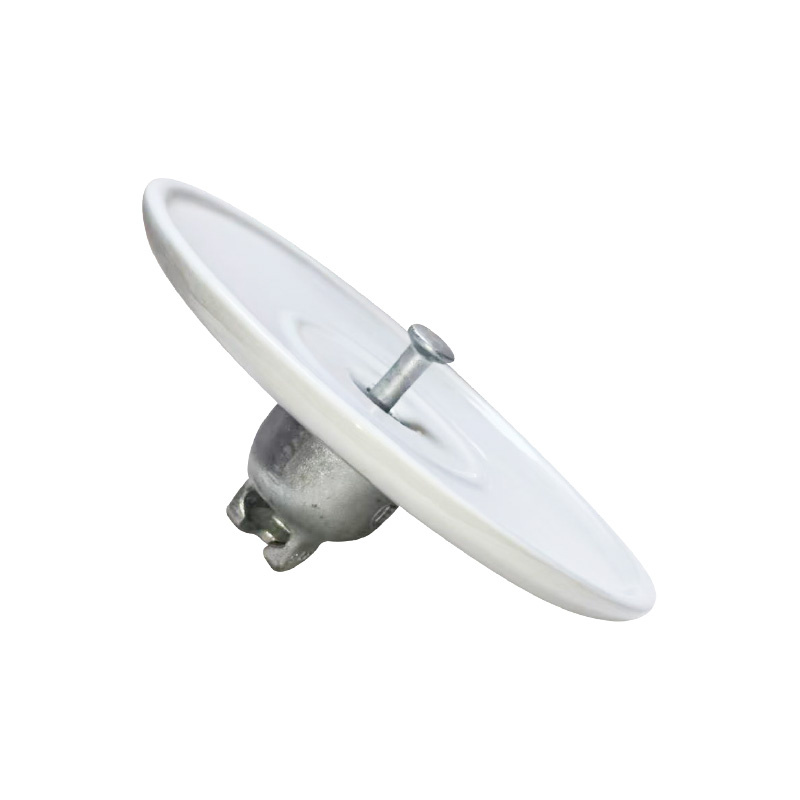 Aerodynamic disc type porcelain insulator
Aerodynamic ceramic insulator is a high-performance suspension ceramic insulator designed to adapt to harsh environments. Its core purpose is to provide excellent electrical insulation and reliable mechanical support for high-voltage AC and DC transmission lines under special geographical conditions such as heavy pollution, high altitude, and dry and dusty conditions!.
Its main uses can be summarized into the following two core aspects:
1. Excellent electrical insulation
Excellent self-cleaning and anti pollution flashover performance: This is the most prominent feature of aerodynamic ceramic insulators. It usually adopts special umbrella shaped structures such as double umbrella or triple umbrella, with a smooth and open surface under the umbrella. This design utilizes wind power to achieve self-cleaning, effectively reducing natural pollution and significantly reducing the risk of flashover accidents caused by surface pollution. It is particularly suitable for use in heavily polluted areas such as industrial dust and deserts.
Increasing creepage distance: Through its unique umbrella shaped structure design, a larger creepage distance can be obtained, further improving the product's withstand voltage level in high voltage and polluted environments
Suppression of Ice Slip and Bird's Breath Pollution: Some aerodynamic ceramic insulators (such as straw hat type) have a particularly large umbrella diameter, which can effectively suppress the local pollution caused by ice slip formed below the line and feces falling above the insulator, thereby preventing pollution flashover accidents.
2. Reliable mechanical support
High strength and lightweight: This type of insulator has high tensile and bending strength, as well as good impact and shock resistance, and can safely and reliably suspend wires and withstand various mechanical loads. At the same time, it also has the advantages of light weight and easy installation.
In summary, aerodynamic ceramic insulators are a key component in solving the problem of safe and stable operation of high-voltage transmission lines under complex and harsh environmental conditions.
价格: 0.00 -
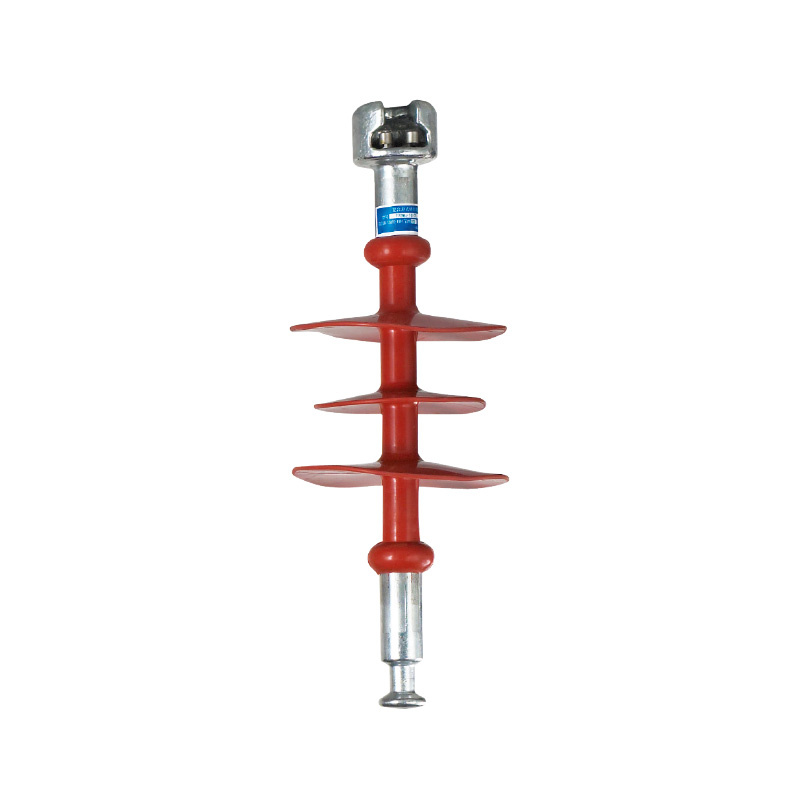 FXBW composite suspension insulator
Composite suspension insulators are mainly used in overhead transmission lines to suspend conductors and provide reliable electrical insulation.
Its product applications can be summarized as follows:
1. The suspension and insulation of overhead transmission lines are used for transmission lines of various voltage levels such as 110kV, 220kV, 500kV, ± 800kV, etc., to undertake the mechanical suspension and electrical isolation functions of the wires.
2. The insulation support of substation busbars and equipment leads is used in substations for the suspension and insulation of busbars, circuit breakers, isolating switches, and other equipment leads.
3. Compared to traditional insulators, composite suspension insulators are lighter in weight, have better pollution resistance, and are less prone to breakage, replacing traditional porcelain or glass suspension insulators. They are widely used in urban and rural power grids, as well as heavily polluted areas.
4. Improving the pollution flashover resistance of the line is suitable for polluted environments such as coastal areas, chemical industrial zones, mining areas, and areas with severe haze, which can effectively reduce pollution flashover accidents.
5. Insulation solutions for large-span and special terrain lines can be combined into insulator strings of different lengths as needed in areas such as large-span, mountainous areas, and wind vents to meet electrical and mechanical requirements.
6. Improve the reliability of line operation
价格: 0.00 -
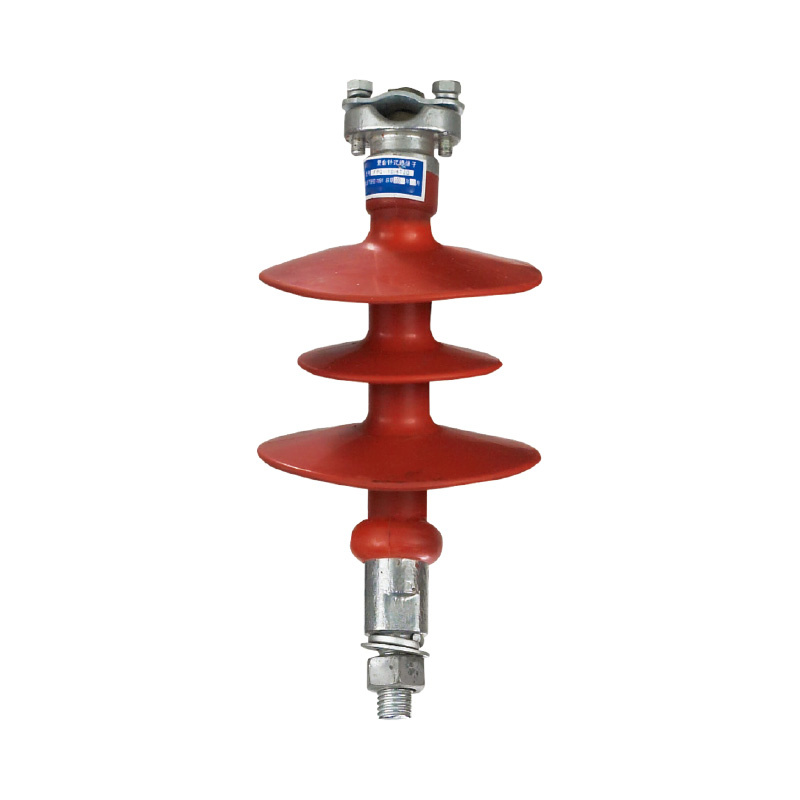 FPQ composite pin insulator
Composite pin insulators are mainly used in overhead transmission lines and distribution lines to support conductors and maintain electrical insulation between conductors and towers. Its product applications can be summarized as follows:
1. The insulation and support of overhead transmission lines are used in high-voltage and ultra high voltage transmission lines to fix the wires and provide reliable electrical insulation, ensuring the safe operation of the lines.
2. Distribution line insulation is widely used in 10kV, 35kV and other distribution lines to support wires on poles and prevent leakage and short circuits.
3. The insulation of substation equipment is used to provide insulation support for busbars, equipment leads, and other parts inside the substation, improving the safety of equipment operation.
4. Due to their light weight and good pollution resistance, urban and rural power grid renovation projects are commonly used for upgrading and improving the reliability and anti pollution flashover ability of the lines.
5. The operation of power lines in harsh environments is suitable for heavily polluted environments such as coastal areas, chemical zones, mining areas, and humid and foggy areas, and has excellent anti pollution flashover performance.
6. Compared with traditional porcelain insulators, composite needle insulators have the advantages of light weight, low breakage, easy installation, and good impact resistance. They have gradually replaced porcelain products in many occasions.
价格: 0.00 -
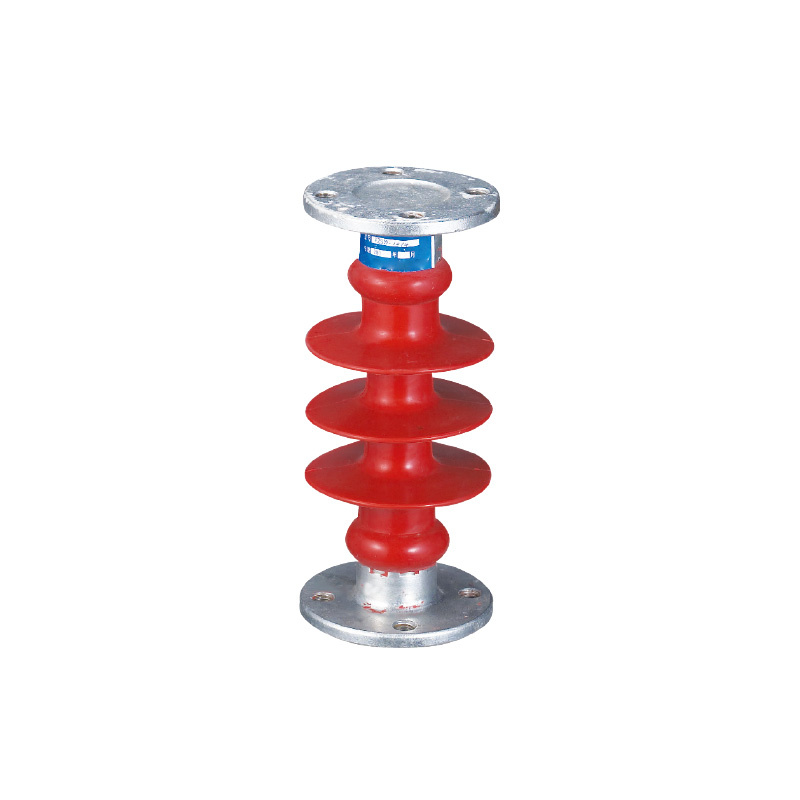 FZSW composite post insulator
Composite post insulators are mainly used to support and fix busbars, conductors, or equipment, and provide reliable electrical insulation.
Its product applications can be summarized as follows:
1. The insulation support of substation busbars is used in power plants and substations to support high-voltage busbars and maintain stable electrical insulation between busbars and ground.
2. The fixation and insulation of electrical equipment are used to support and insulate the conductive parts of devices such as circuit breakers, isolating switches, transformers, capacitors, etc.
3. Insulation isolation in distribution equipment is used for conductor support and isolation in switchgear, ring main unit, box type substation and other distribution equipment.
Compared to traditional porcelain pillar insulators, composite pillar insulators are lighter in weight, have better pollution resistance, are less prone to breakage, and are easier to install and maintain.
5. Suitable for heavily polluted environments such as coastal areas, chemical zones, metallurgical plants, mines, etc., it can effectively improve the ability to resist pollution flashover.
6. Improving the operational reliability of the power system has excellent weather resistance, aging resistance, and mechanical strength, which can reduce equipment failures and enhance system stability.
价格: 0.00 -
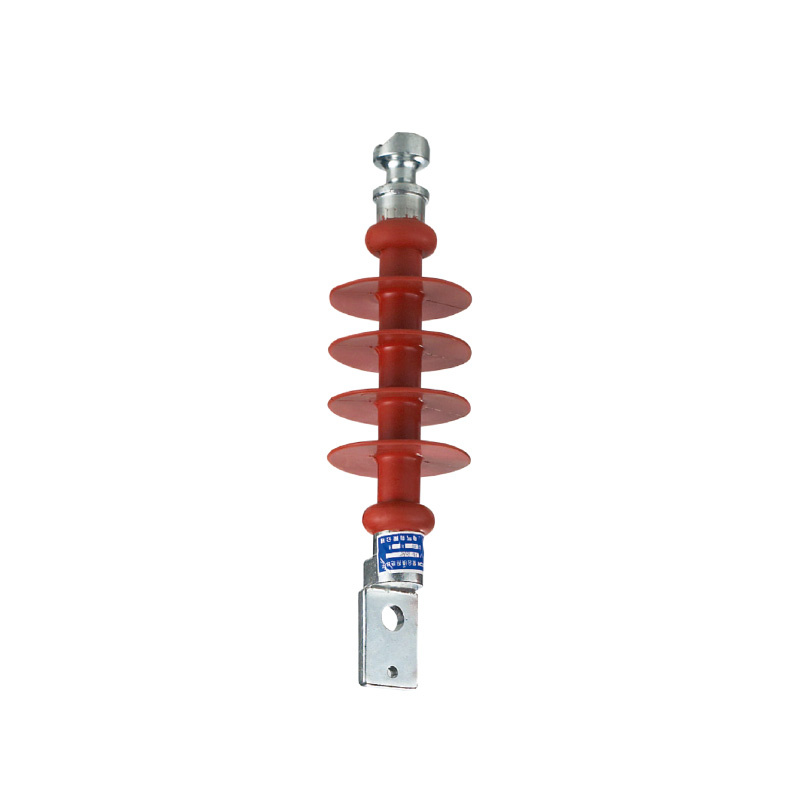 FS composite cross arm insulator
Composite cross arm insulators are key components of power transmission and distribution lines, with the core purpose of supporting conductors, providing insulation protection, and adapting to various complex scenarios to ensure safe and stable operation of the lines. Here is a detailed introduction:
core purpose
1. Insulation isolation: By using insulation materials such as silicone rubber, electrical isolation is maintained between the wire and the tower, ground, and different phase wires to prevent short circuits, arc discharges, pollution flashes, rain flashes, ice flashes, and other faults, ensuring the safety of power transmission.
2. Mechanical support: With high-strength core rods and metal fittings, it can stably suspend and support wires and ground wires, withstand line tension, wind loads, icing loads, and vibrations, maintain the horizontal and vertical positions of wires, and ensure the stability of the line structure.
3. Adapt to special scenarios
Urban network renovation and compact lines: can reduce tower height, save corridor space, reduce engineering costs, and adapt to narrow urban line corridors.
Heavy pollution areas: Silicone rubber umbrella skirts have strong hydrophobicity and mobility, outstanding resistance to pollution flashes, suitable for chemical areas, coastal areas, industrial dust and other easily polluted environments, and require no manual cleaning, with low maintenance costs.
Extreme climate zone: tolerant to temperatures ranging from -60 ℃ to+200 ℃, with good wind resistance, earthquake resistance, and ice cover resistance, suitable for high-altitude, strong wind, earthquake prone, and cold regions.
Large span and emergency repair construction: Lightweight (1/5-1/9 of the same grade of porcelain insulators), easy to transport and install, suitable for mountainous construction, accident repair, and large span lines to reduce the number of towers.
4. Improve the reliability and economy of the transmission line: Compared with traditional porcelain insulators, it is resistant to brittle fracture, shock, aging, reduces the frequency of line faults and maintenance, has a long maintenance cycle without zero value testing, and has lower lifecycle costs. At the same time, it can be interchanged with porcelain insulators, which is conducive to the upgrading and renovation of the transmission line.
价格: 0.00 -
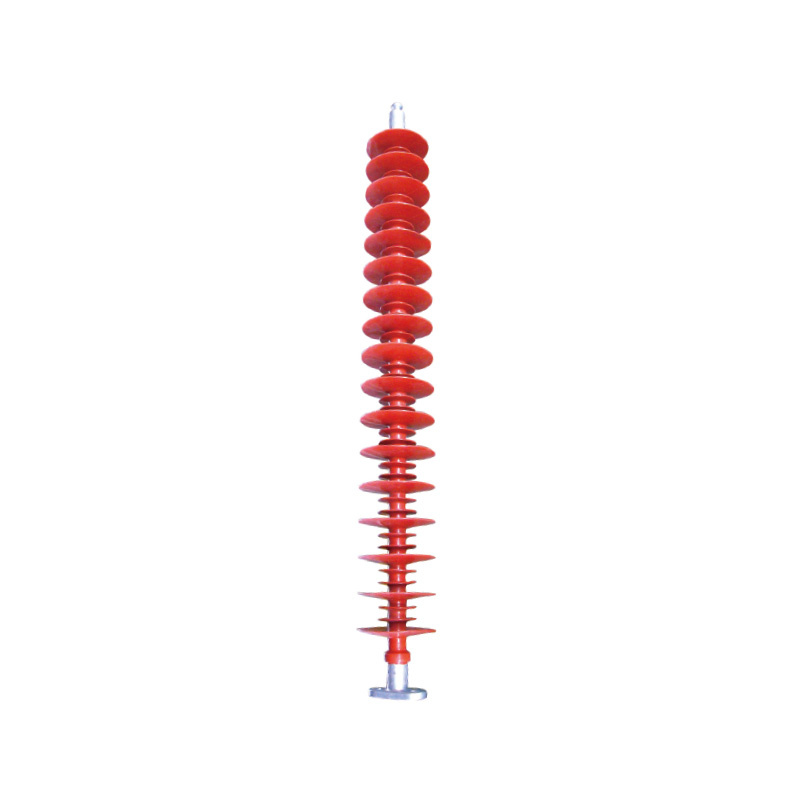 FSP composite wind offset insulator
Composite windproof insulators are mainly used in overhead transmission lines to prevent wind deflection, dancing, or excessive swinging of wires under strong winds, thereby avoiding insufficient electrical clearance between wires and towers, crossarms, and preventing accidents such as flashover and short circuits.
Its main uses include:
1. Improving the wind resistance of the transmission line can effectively limit the wind deflection angle of the conductor in areas with frequent strong winds and typhoons, ensuring a safe distance between the conductor and the tower.
2. Prevent wind deflection flashover accidents. During strong winds, the wires are prone to shift towards the tower side, causing a decrease in air gap and triggering flashover. Windproof insulators improve the safety of line operation by increasing the insulation distance or limiting swinging.
3. Suitable for special areas such as large spans, canyons, and wind vents where the wind speed is high and the direction is variable, the wind deviation of the conductor is more severe, and windproof insulators can significantly improve the stability of the line.
4. The key protection of high-voltage and ultra high voltage transmission lines is commonly used for transmission lines with voltage levels of 110kV, 220kV, 500kV and above, and is an important component to ensure the safe operation of the lines.
5. Replace traditional insulators and enhance windproof performance by adding windproof offset structures on the basis of the original insulator string, or directly using composite windproof offset insulators to balance insulation and windproof functions.
6. Improve the resistance of the line to icing and dancing. Under the combined action of icing and strong winds, the conductor is prone to dancing. Windproof insulators can reduce the amplitude of swinging and lower the risk of dancing.
价格: 0.00 -
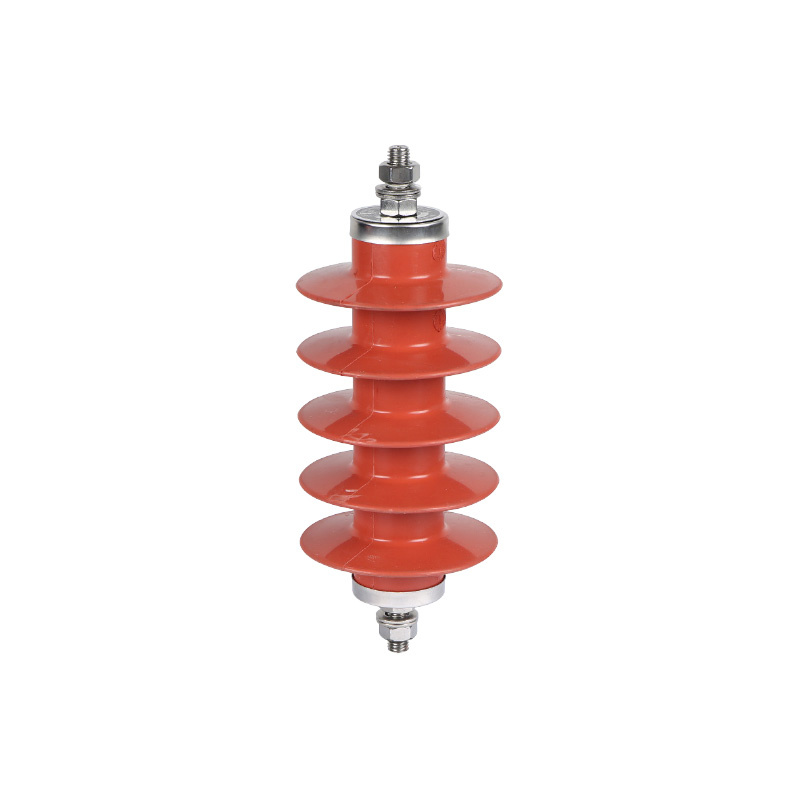 YH5W/YH10W standardized zinc oxide arrester
Standardized zinc oxide lightning arresters are mainly used to limit lightning overvoltage and operational overvoltage, and protect the insulation of power equipment.
Its product applications can be summarized as follows:
1. To prevent lightning overvoltage, installation on transmission lines, substations, and distribution equipment can quickly discharge lightning current and avoid equipment damage caused by lightning overvoltage.
2. Limiting overvoltage during operation. When the power grid undergoes switch operation, fault disconnection, or other situations, overvoltage can be generated, and lightning arresters can limit it within a safe range.
3. Insulation protection for power equipment is used to protect equipment such as transformers, circuit breakers, transformers, cables, busbars, etc., extend equipment life, and improve operational reliability.
4. Suitable for multiple voltage levels and applicable to transmission and distribution systems such as 10kV, 35kV, 110kV, 220kV, 500kV, etc., it is the most commonly used overvoltage protection device in power systems.
5. The standard configuration of substations and distribution systems is widely used in power plants, substations, switch stations, ring main units, box transformers and other places, and is a standardized equipment for overvoltage protection.
6. Improving system operation stability has the characteristics of fast response speed, low residual voltage, and strong current carrying capacity, which can effectively reduce lightning strikes and operational accidents and improve power supply reliability.
价格: 0.00 -
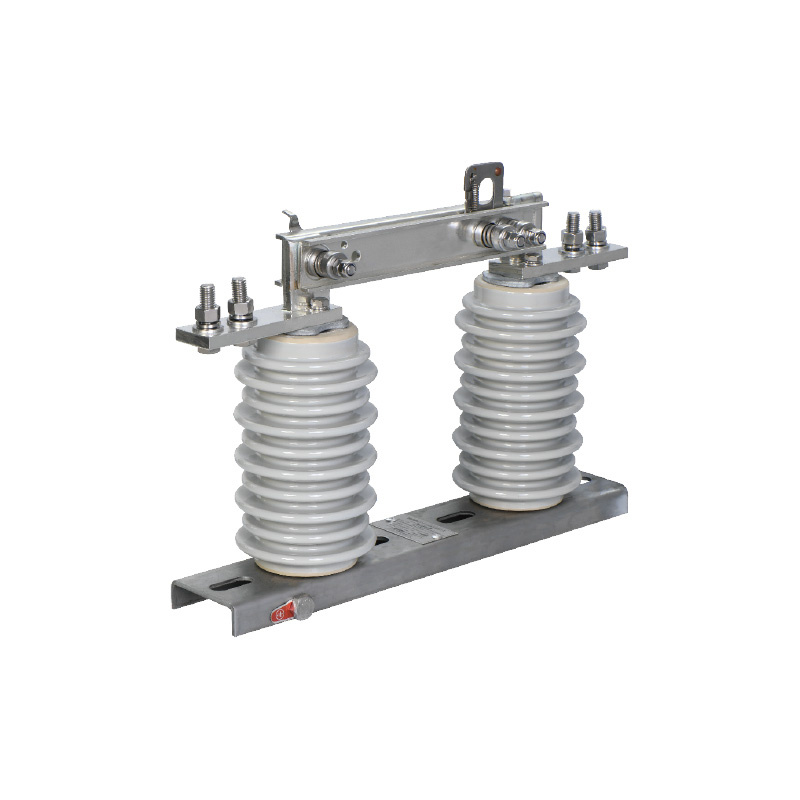 Outdoor high voltage isolation switch
Outdoor high-voltage isolation switches are mainly used to provide visible disconnection points in high-voltage systems, achieve electrical isolation, and ensure maintenance safety.
Its product applications can be summarized as follows:
1. Provide obvious disconnection points when repairing electrical equipment. Use isolation switches to reliably isolate the equipment to be repaired from the live parts, forming a clear and visible air gap to ensure the safety of maintenance personnel.
2. Switching operation is used in substations, switch stations, and other places for switching lines, busbars, and other switching operations to change the operating mode.
3. When the equipment is shut down, the isolation voltage should withstand the voltage at both ends of the equipment to prevent accidental or reverse power transmission and protect the safety of equipment and personnel.
The standard equipment for outdoor high-voltage distribution systems is widely used in outdoor substations, switch stations, box transformers, and other places such as 10kV, 35kV, 110kV, and 220kV.
5. Cooperate with circuit breakers to use circuit breakers for breaking current, and isolating switches for isolating voltage. The two work together to ensure safe operation of the circuit.
6. Improving the reliability of system operation has the characteristics of simple structure, high reliability, and strong weather resistance. It is suitable for harsh outdoor environments and ensures the safe and stable operation of the power system.
价格: 0.00 -
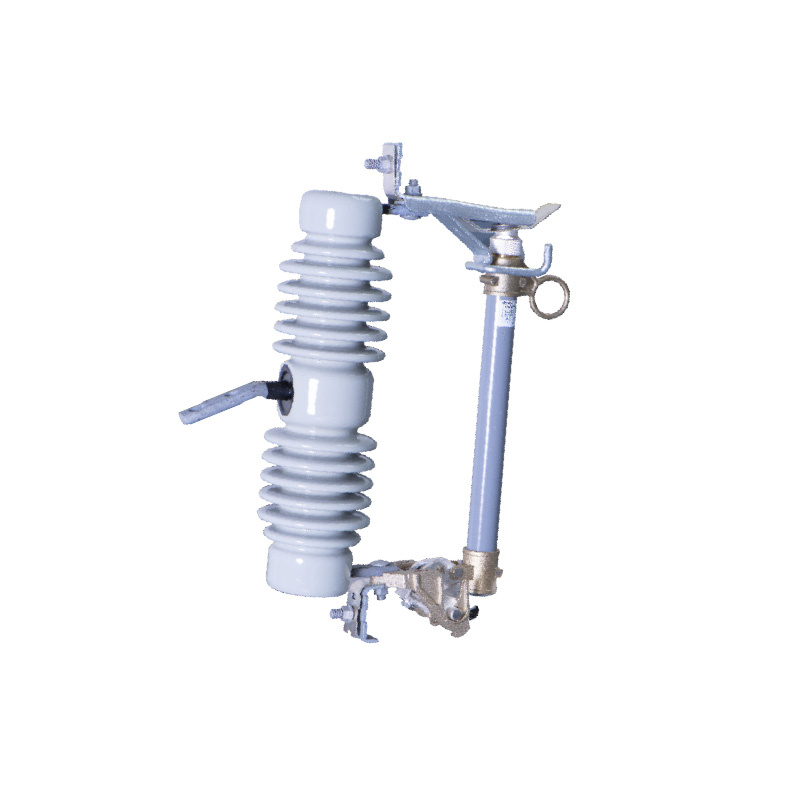 Drop type fuse series
The drop out fuse series products are mainly used for overload and short-circuit protection of 10kV, 35kV and other distribution lines and transformers, while also having the characteristics of easy operation and the ability to form obvious disconnection points.
Its main uses can be summarized as:
1. Short circuit protection for distribution lines: When a short circuit fault occurs in the line, the fuse quickly melts, automatically drops, cuts off the fault current, and protects the line and equipment.
Overload and short circuit protection of distribution transformers is widely used on the high voltage side of distribution transformers as the main protection device to prevent equipment damage caused by overload or short circuit.
3. The segmentation of outdoor distribution lines and the formation of obvious disconnection points when isolation fuses fall can be used for electrical isolation during line maintenance, improving maintenance safety.
4. The protection of branch lines in rural distribution networks and urban networks is widely used at the branch lines and user entry points of rural and urban networks, and is one of the most common outdoor protection devices.
5. Used in conjunction with reclosers and sectionalizers in automated distribution systems, it can be used in conjunction with reclosers and sectionalizers to achieve automatic isolation and recovery of line faults.
6. Replace the function of some circuit breakers in small capacity and unimportant lines, which can be used as simple breaking devices for normal operation of opening and closing (in accordance with regulations).
价格: 0.00 -
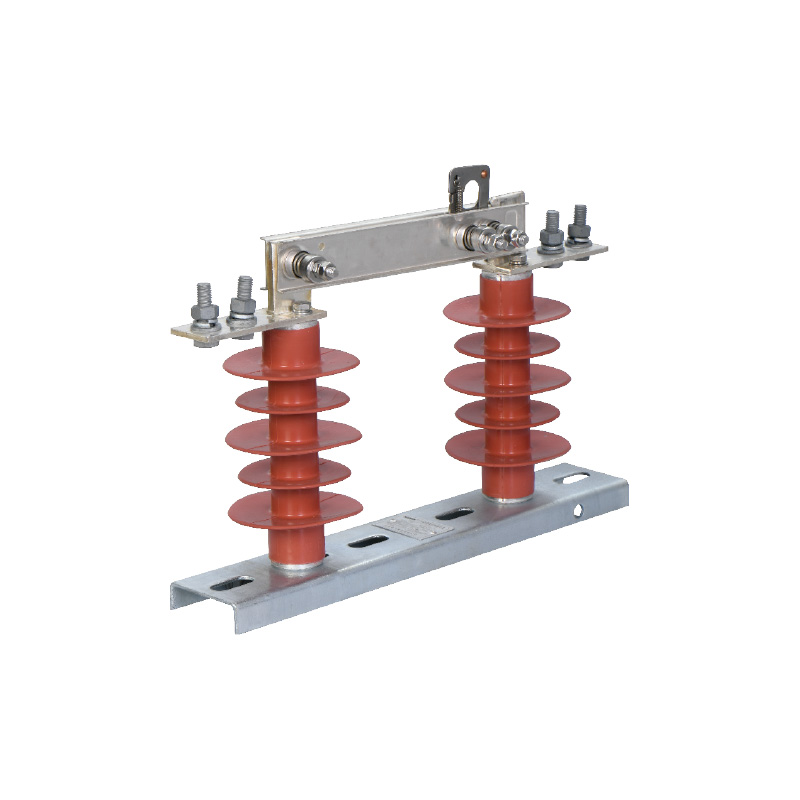 Outdoor high-voltage composite isolation switch
The purpose of outdoor high-voltage composite isolation switches is similar to traditional outdoor high-voltage isolation switches, but due to their use of composite insulation structures (such as silicone rubber jackets), they are more suitable for harsh environments in terms of performance.
Its main uses can be summarized as:
1. Provide reliable electrical isolation during equipment maintenance to reliably disconnect the parts to be repaired from the live system, forming a clear air insulation gap to ensure the safety of personnel and equipment.
2. Switching operation and operation mode are used in substations, switch stations, and distribution stations to switch between lines and busbars, achieving the adjustment of system operation mode.
The standard configuration of outdoor high-voltage distribution systems is widely used in outdoor distribution equipment, box transformers, switch stations, and other scenarios with voltage levels such as 10kV and 35kV.
4. Insulation protection composite insulation materials that are suitable for harsh environments have excellent resistance to pollution, moisture, and corrosion, and are suitable for coastal areas, chemical zones, heavily polluted areas, high-altitude areas, etc.
5. Compared to traditional ceramic isolation switches, composite isolation switches are lighter in weight, less prone to breakage, stronger in resistance to pollution and flashover, and easier to maintain.
6. Improve the reliability of system operation with a compact structure, strong weather resistance, and stable mechanical performance. It can maintain good insulation and operational performance under conditions such as strong winds, ice and snow, and pollution
价格: 0.00 -
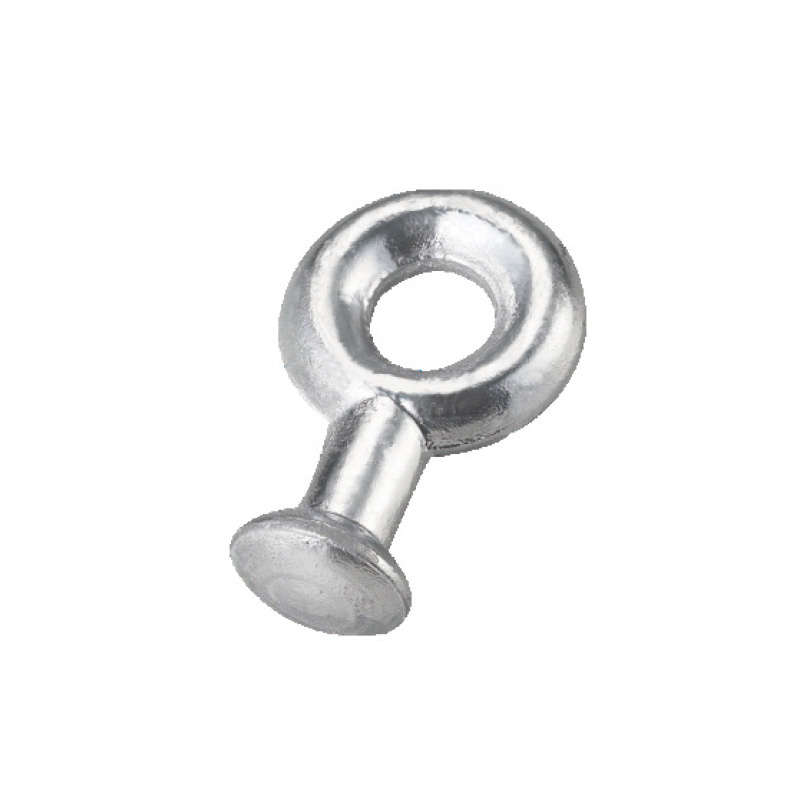 Ball head hanging ring series
The ball head hanging ring series is one of the most commonly used connection fittings in transmission line fittings, mainly used for ball and socket connections between insulator strings and tower crossarms, clamps or other fittings.
Its product usage can be summarized as:
The connection between the insulator string and the tower hanging point is an important connecting component of the metal fitting string, which is used in the suspension string and tension string to connect the upper end of the insulator string to the cross arm hanging point.
2. The transition connection of the ball and socket structure has a ball head at one end and a circular or plate structure at the other end, which can form a flexible ball and socket connection with the bowl head hanging plate, ball head hanging plate, extension ring, etc., allowing the metal fittings string to have a certain swinging ability and adapt to changes in the stress of the circuit.
3. Adjust the installation angle of the insulator string. The ball and socket structure can rotate freely, compensate for installation errors, maintain the optimal stress state of the insulator string, and improve the stability of the line operation.
The standard configuration of suspension and tension strings for transmission lines is widely used in transmission lines with voltage levels such as 10kV, 35kV, 110kV, 220kV, and 500kV.
5. Improve the mechanical reliability of metal fittings with simple structure, high strength, and reliable connection, which can effectively transmit wire tension and load, ensuring the safe operation of the line.
价格: 0.00 -
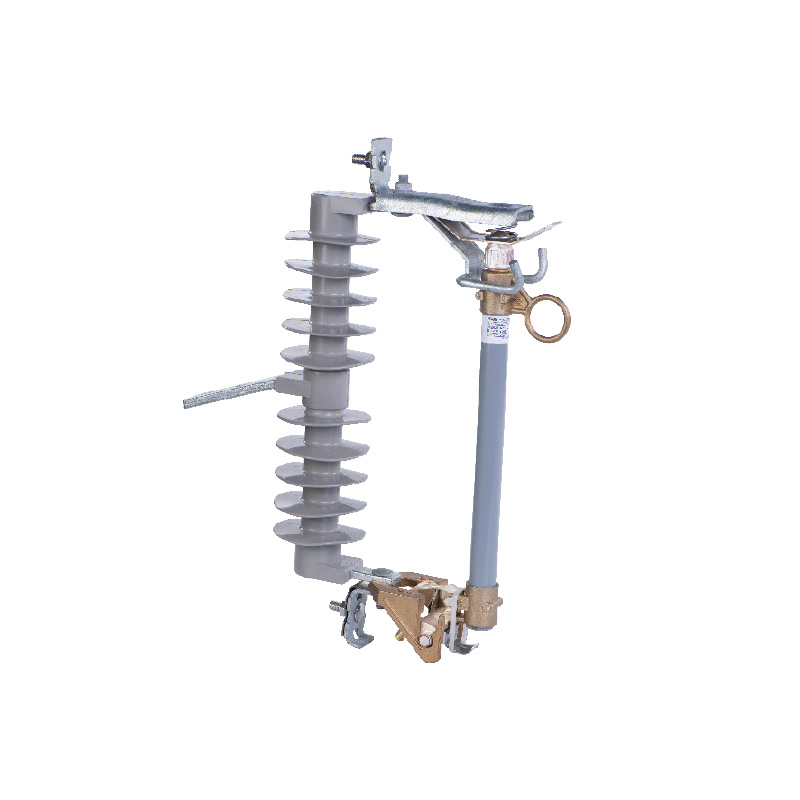 Drop type composite fuse series
·Short circuit and overload protection for distribution lines: Used for 10kV and 35kV outdoor distribution lines, it automatically fuses and drops in case of short circuit or overload, cutting off the fault current.
·Distribution transformer protection: mainly installed on the high voltage side of distribution transformers as the main protection equipment for transformers.
·Outdoor branch line protection: widely used in rural and urban network branch lines, as well as at user entry points, to achieve line protection and isolation.
·Provide clear disconnection points: When the fuse falls, a clear disconnection point is formed for easy maintenance and isolation.
·Line protection in harsh environments: Due to the strong anti pollution flashover ability of composite insulation materials, they are particularly suitable for coastal areas, chemical zones, mines, and areas with severe haze.
价格: 0.00 -
.jpg) Q-P ball head hanging plate (single hole with stroke Angle)
Q-P ball head hanging plate (single hole with stroke Angle)Q-P type ball joint hanging plate is a commonly used connecting fitting in transmission line fittings, mainly used for ball and socket connection between insulator strings and tower crossarms, line clamps or other fittings.
Its product usage can be summarized as:
The connection between the insulator string and the tower is in the suspension string and tension string, used to connect the upper end of the insulator string to the cross arm hanging point, and is an important connecting component of the metal fitting string.
2. The transition connection of the ball and socket structure has a ball head at one end and a hanging plate hole at the other end, which can form a flexible ball and socket connection with the bowl head hanging plate, ball head hanging ring, etc., allowing the metal fitting string to have a certain swinging ability and adapt to changes in the force of the circuit.
3. Adjust the connection angle of the insulator string. As the ball and socket structure can rotate freely, it can compensate for installation errors and maintain the optimal stress state of the insulator string.
The standard configuration of suspension and tension strings for transmission lines is widely used in transmission lines with voltage levels such as 110kV, 220kV, and 500kV.
5. Improve the mechanical reliability of metal fittings with simple structure, high strength, and reliable connection, which can effectively transmit wire tension and load.
价格: 0.00 -
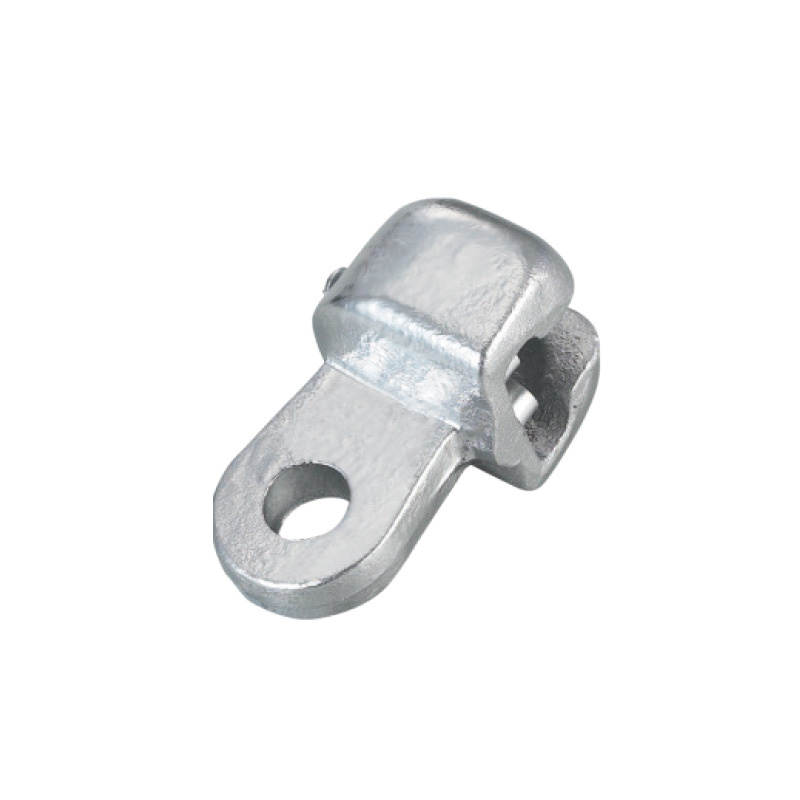 Bowl head hanging plate series
The bowl head hanging plate series is a key connecting fitting used in transmission line fittings to match with ball head structures. Its main function is to connect insulator strings, wire clamps, and other fittings, forming a rotatable ball and socket connection.
Its product usage can be summarized as:
1. The bowl mouth of the ball joint hanging plate of the ball joint hanging ring/ball joint insulator is matched with the ball joint structure to form a freely rotatable connection, so that the insulator string can adapt to changes in line stress and installation errors.
2. The connection between the insulator string and the wire clamp or hardware string is used in the suspension string or tension string to connect the lower end of the insulator string with the suspension wire clamp, tension wire clamp or other hardware.
3. Adjust the swing angle of the insulator string. The ball and socket structure can rotate, allowing the insulator string to swing freely under wind and ice loads, avoiding additional stress.
4. Standard fittings for transmission lines are widely used in transmission lines with voltage levels such as 10kV, 35kV, 110kV, 220kV, and 500kV.
5. Improve the flexibility and reliability of metal fittings. Compact structure, high strength, and flexible rotation are indispensable connecting fittings in transmission lines.
价格: 0.00 -
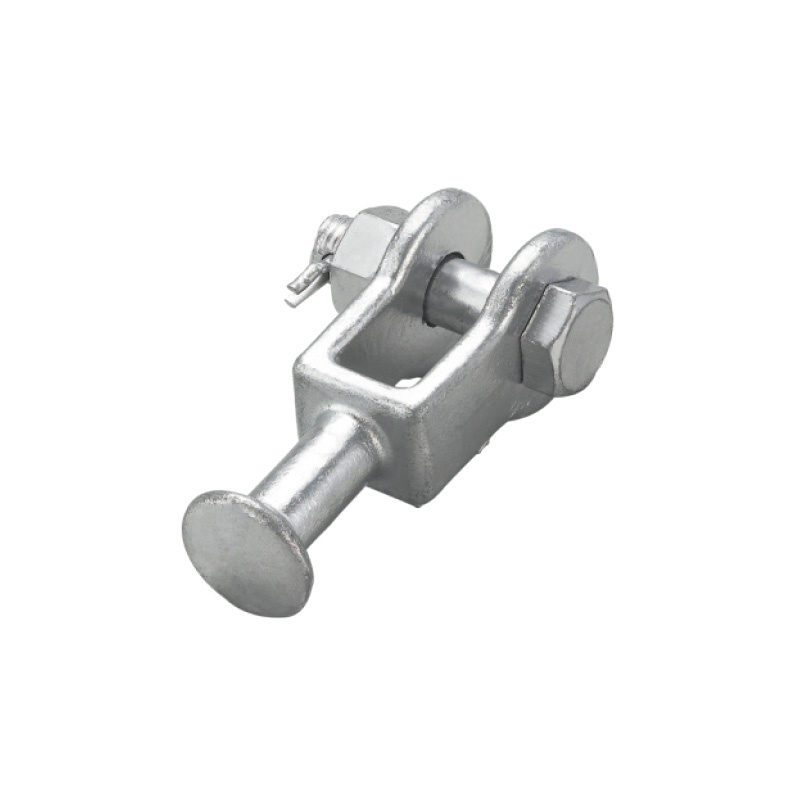 Q-U ball head hanging plate
Q-U-shaped ball joint hanging plate is a commonly used connecting fixture in transmission line fittings, mainly used for ball and socket connections between insulator strings and tower crossarms, line clamps or other fittings.
Its product usage can be summarized as:
1. The connection between the insulator string and the tower hanging point is in the suspension string and tension string, used to connect the upper end of the insulator string to the cross arm hanging point, and is a key connecting component of the hardware string.
2. The transition connection of the ball and socket structure has a ball head at one end and a U-shaped hanging plate at the other end, which can form a flexible ball and socket connection with the bowl head hanging plate, ball head hanging ring, extension ring, etc., allowing the metal fittings string to have a certain swinging ability and adapt to changes in the stress of the circuit.
3. Adjust the installation angle of the insulator string. The ball and socket structure can rotate freely, compensate for installation errors, maintain the optimal stress state of the insulator string, and improve the stability of the line operation.
The standard configuration of suspension and tension strings for transmission lines is widely used in transmission lines with voltage levels such as 110kV, 220kV, and 500kV.
5. Improve the mechanical reliability of metal fittings with simple structure, high strength, and reliable connection, which can effectively transmit wire tension and load, ensuring the safe operation of the line.
价格: 0.00 -
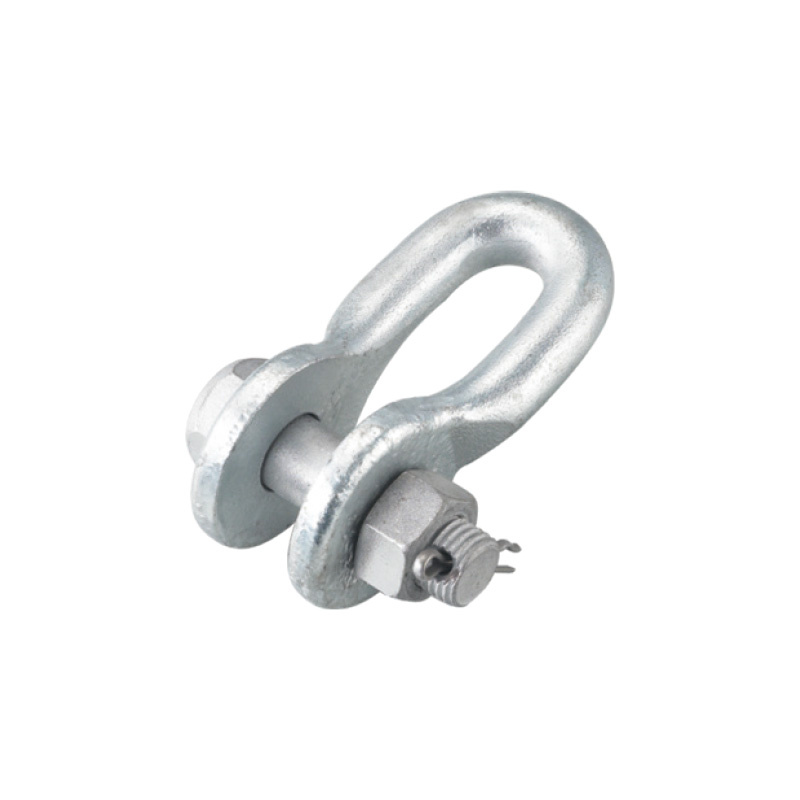 U-shaped hanging ring
U-shaped hanging ring is one of the most commonly used basic connection fittings in transmission lines and substations, mainly used to connect insulator strings, fittings strings or equipment to tower crossarms, brackets or other fittings.
Its product usage can be summarized as:
1. The connection between tower suspension points and metal fittings is the most common type of connecting metal fittings, used to connect suspension strings, tension strings, lightning arresters, fuses, and other equipment to tower crossarms or brackets.
2. The transition connection between the hardware strings can be used in conjunction with ball head hanging rings, bowl head hanging plates, extension rings, connecting plates, etc., to form a complete hardware connection system.
3. Adjust the connection direction and installation angle. The U-shaped structure can provide multiple connection directions, making it easy to adjust the installation angle of insulator strings or equipment and adapt to different tower structures.
4. Standard fittings for transmission and distribution lines are widely used in various voltage levels such as 10kV, 35kV, 110kV, 220kV, 500kV, etc.
5. The fixation and connection of substation equipment are used for the installation and fixation of lightning arresters, isolating switches, transformers, and other equipment.
6. Improving the reliability and mechanical strength of connections. With a simple structure, high load-bearing capacity, and reliable connections, it is one of the most widely used fittings in the power system.
价格: 0.00 -
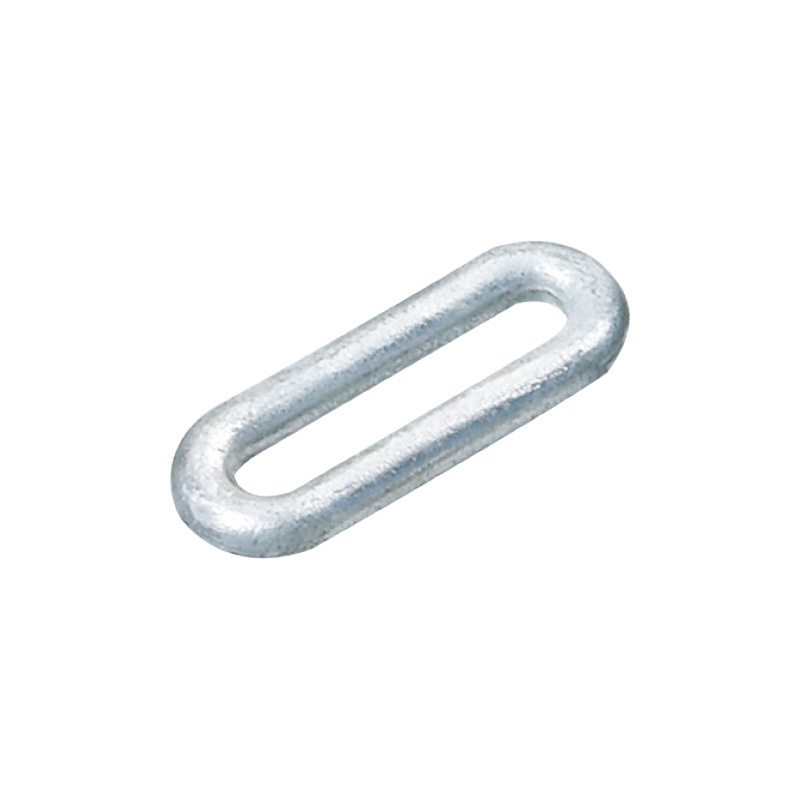 PH extension ring
PH type extension ring is a commonly used connecting fitting in power fittings, mainly used to extend the length of insulator strings or fitting strings and transmit mechanical loads.
Its product usage can be summarized as:
1. Extend the length of the insulator string in transmission lines. When the length of the insulator string is insufficient, use a PH type extension ring to extend it to meet the insulation distance or installation space requirements.
2. The connecting hardware string is used to connect different hardware (such as bowl head hanging plates, ball head hanging rings, tension clamps, etc.), so that the hardware string forms a complete mechanical connection system.
3. Adjust the installation distance between the tower cross arm and the insulator string, and adjust the installation position by extending the ring to ensure that the wire suspension point meets the design requirements.
4. The tension string and suspension string of transmission lines are widely used in the tension string, suspension string, and jumper string of 110kV, 220kV, 500kV and other transmission lines.
5. Improve the flexibility and versatility of hardware strings. The structure is simple and the connection is reliable, and different lengths of hardware strings can be combined according to engineering needs.
价格: 0.00 -
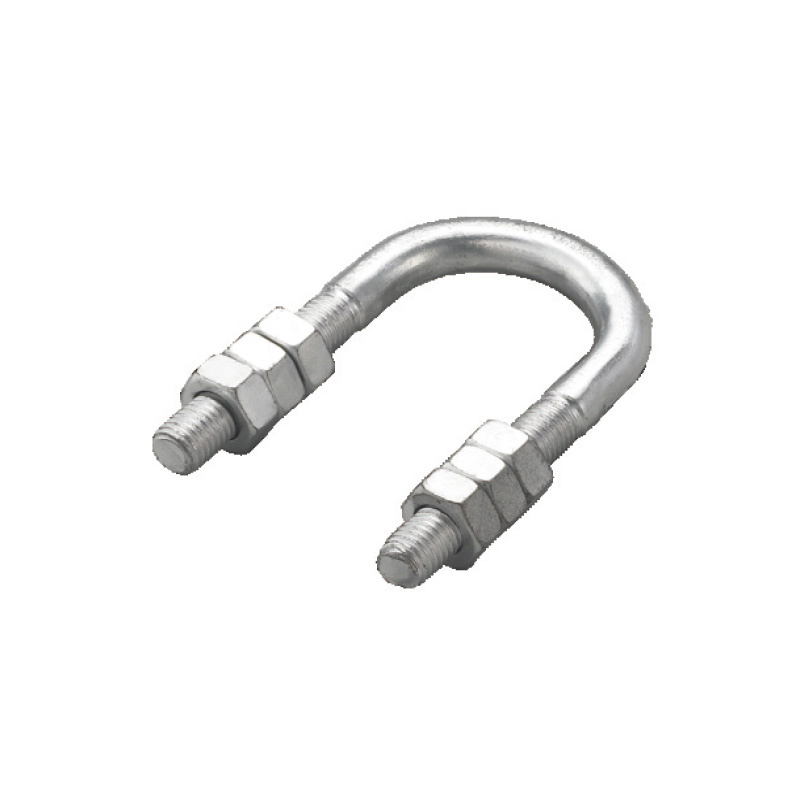 U-screw
U-screws (also known as U-bolts) are widely used fasteners for fixing and connecting, with numerous applications in industries such as power, construction, machinery, and transportation.
Its main uses can be summarized as:
1. Fixed pipelines, cables, and wires are used in power, plumbing, HVAC, and other systems to secure them to brackets, walls, or towers.
2. Fixed connections in power fittings are used in transmission and distribution lines to secure crossarms, clamps, insulator brackets, equipment bases, etc.
3. The installation of tower accessories is used to fix cross arms, cable clamps, equipment brackets, etc. on electric poles (cement poles, steel poles).
4. The fixation of mechanical equipment is used in various mechanical devices to fix components, bases, brackets, etc., especially suitable for structures that require clamping from both sides.
5. Connections and fixation in building structures are used for fixing components in steel, wood, and concrete structures, such as steel beam fixation and formwork fixation.
6. The fastening of transportation equipment such as vehicles and ships is used to fix fuel tanks, exhaust pipes, frame components, etc., and has the characteristics of simple structure and strong clamping force.
7. Fixed in agriculture and infrastructure for securing guardrails, signs, sheds, photovoltaic brackets, etc.
价格: 0.00 -
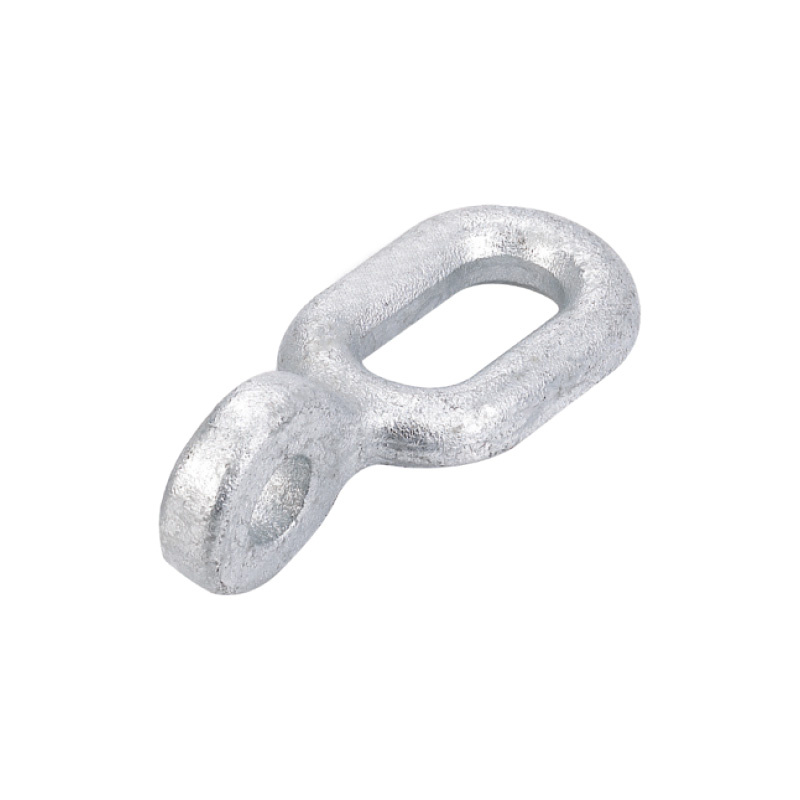 ZH type right Angle hanging ring
ZH type right angle hanging ring is a commonly used connecting fixture in transmission line fittings, mainly used to change the connection direction and adjust the installation angle, so that the insulator string or fitting string can be connected in the 90 ° direction on the tower cross arm.
Its product usage can be summarized as:
1. Changing the connection direction is used to turn the insulator string from horizontal to vertical or from vertical to horizontal, achieving a 90 ° angle connection.
2. The connection between the cross arm and the insulator string is a common hanging point fitting used in suspension and tension strings to connect the insulator string to the side or bottom of the cross arm.
3. The transition connection of the hardware string can be used in conjunction with U-shaped hanging rings, ball head hanging plates, bowl head hanging plates, extension rings, etc., to form a complete hardware connection system.
4. Adjusting the installation position and angle is suitable for situations where space is limited or the hanging point position needs to be adjusted to maintain a reasonable stress state of the insulator string.
5. Standard fittings for transmission lines are widely used in transmission lines with voltage levels such as 110kV, 220kV, and 500kV.
6. Improve the flexibility and reliability of metal fittings with simple structure, high strength, and reliable connection, which can effectively transmit wire tension and load.
价格: 0.00 -
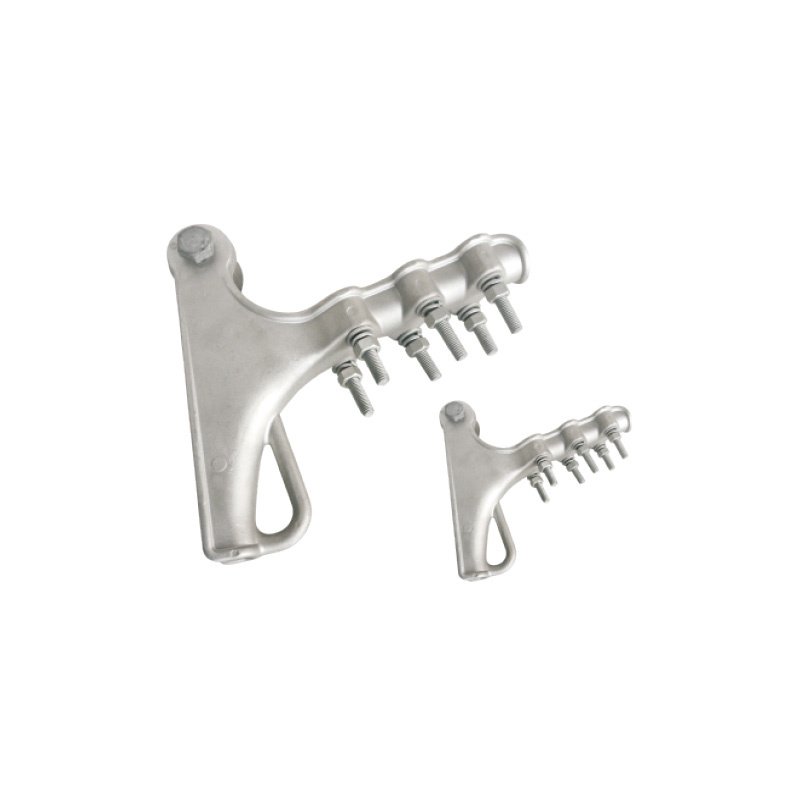 NLL bolt type aluminum alloy tension clamp
Bolt type aluminum alloy tension clamps are mainly used in overhead transmission lines and distribution lines to fix wires to tension towers, corner towers, or terminal towers and withstand all the tension of the wires.
Its product applications can be summarized as follows:
1. The wire terminal is fixed on the terminal tower, used to fix the wire terminal and form a reliable connection between the wire and the tower.
2. The tension section wire is fixed on the tension tower and corner tower, used to fix the wire, withstand the tension of the wire, and ensure the stable operation of the line.
3. The jumper connection is used in the jumper connection at both ends of the tension string to ensure reliable electrical connection and mechanical fixation between the jumper and the wire.
4. Branch connections of distribution lines are used in 10kV and 35kV distribution lines for tension connection between branch lines and main lines.
5. The specialized connection fittings for aluminum alloy wires are suitable for various types of wires such as aluminum stranded wire (JL/G1A), steel cored aluminum stranded wire (ACSR), aluminum alloy stranded wire (AAAC), etc.
6. Improving the reliability of the line tension section has the characteristics of strong grip, corrosion resistance, light weight, and easy installation, which can significantly enhance the mechanical strength and operational stability of the line tension section.
价格: 0.00 -
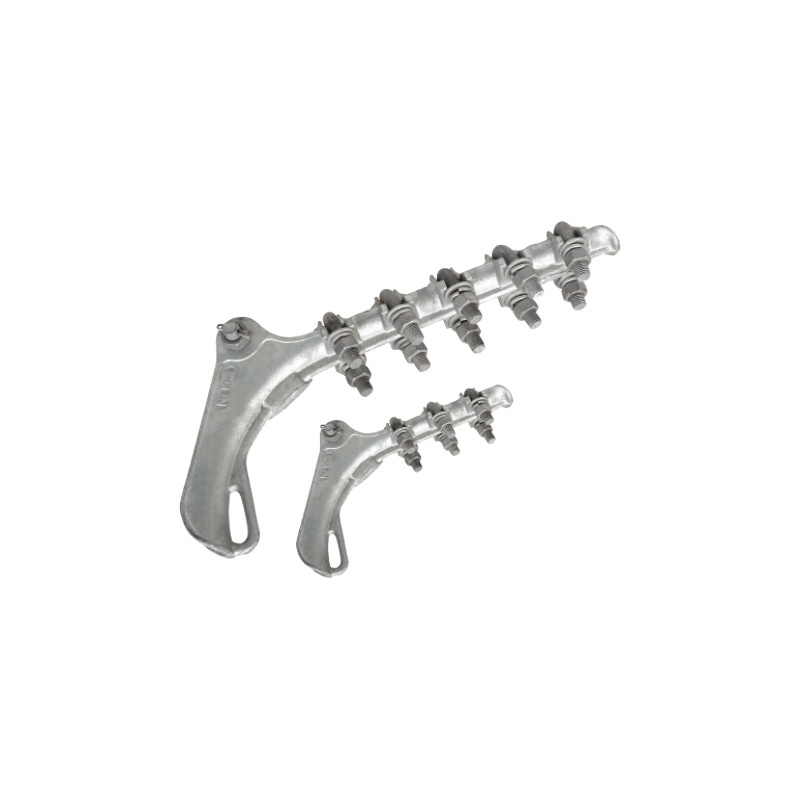 NLD tensioning clamp
The NLD tension clamp is one of the most commonly used bolt type tension clamps in power fittings, mainly used in overhead transmission lines and distribution lines to fix wires to tension towers, corner towers, or terminal towers and withstand all the tension of the wires.
Its product usage can be summarized as:
1. The wire terminal is fixed on the terminal tower, used to fix the wire terminal and form a reliable connection between the wire and the tower.
2. The tension section wire is fixed on the tension tower and corner tower, used to fix the wire, withstand the tension of the wire, and ensure the stable operation of the line.
3. The jumper connection is used in the jumper connection at both ends of the tension string to ensure reliable electrical connection and mechanical fixation between the jumper and the wire.
4. Branch connections of distribution lines are used in 10kV and 35kV distribution lines for tension connection between branch lines and main lines.
5. Suitable for various types of wires, including aluminum stranded wire (JL/G1A), steel cored aluminum stranded wire (ACSR), aluminum alloy stranded wire (AAAC), etc.
6. Improving the reliability of the line tension section has the characteristics of strong grip, corrosion resistance, and easy installation, which can significantly enhance the mechanical strength and operational stability of the line tension section.
价格: 0.00 -
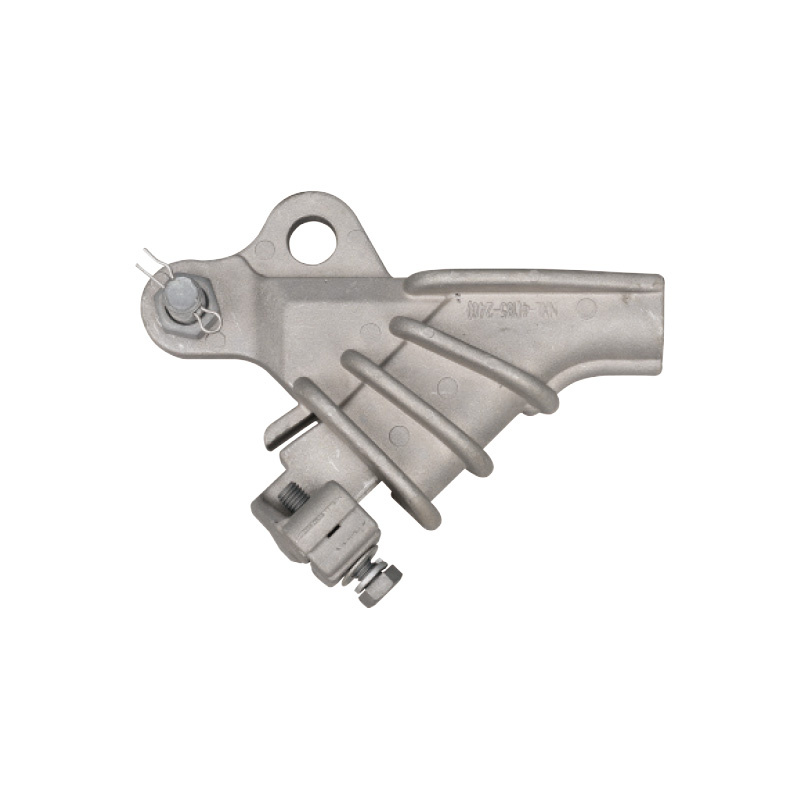 NXL wedge type tension clamp
NXL wedge type tension clamp is a type of tension clamp that uses the wedge principle to achieve self-locking of wires. It is mainly used in overhead transmission lines and distribution lines to fix wires to tension towers, corner towers, or terminal towers and withstand all the tension of the wires.
Its product usage can be summarized as:
1. The wire terminal is fixed on the terminal tower, used to fix the wire terminal and form a reliable mechanical connection between the wire and the tower.
2. The tension section wire is fixed on the tension tower and corner tower, used to fix the wire, withstand the tension of the wire, and ensure the stable operation of the line.
3. Branch connections of distribution lines are used in 10kV and 35kV distribution lines for tension connection between branch lines and main lines.
4. Suitable for small and medium-sized section wires, especially for aluminum stranded wire (JL/G1A), steel cored aluminum stranded wire (ACSR), aluminum alloy stranded wire (AAAC) and other small and medium-sized section wires.
5. The jumper connection is used in the jumper connection at both ends of the tension string to ensure reliable electrical connection and mechanical fixation between the jumper and the wire.
6. Improving the reliability of the line tension section has the characteristics of simple structure, easy installation, stable grip, and good self-locking performance, which can significantly enhance the mechanical strength and operational stability of the line tension section.
价格: 0.00 -
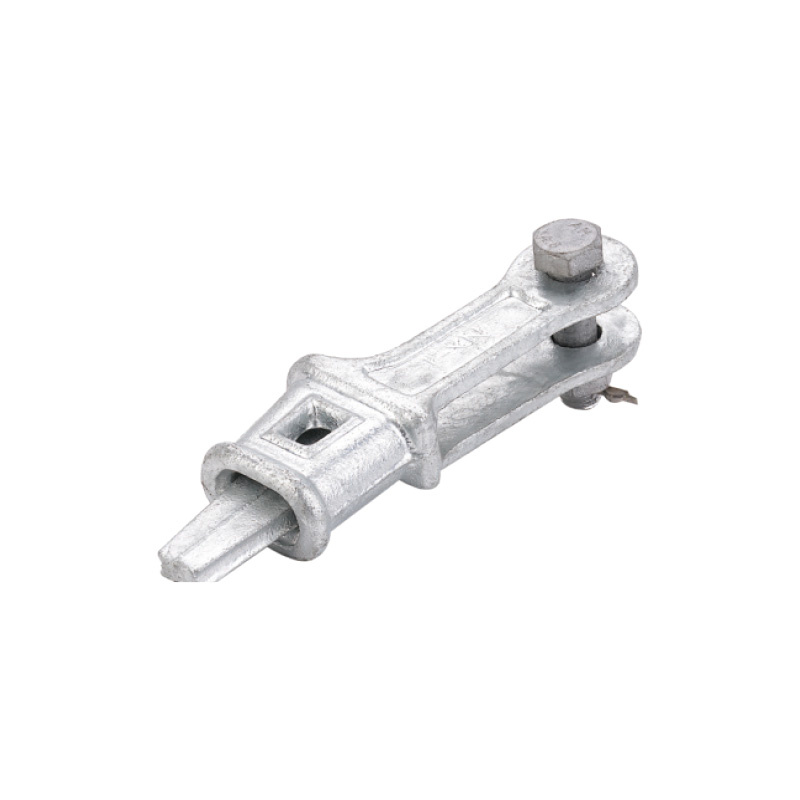 NX wedge clamp
NX wedge clamp is a wire fixing fixture in power fittings that utilizes the self-locking principle of wedge blocks. It is mainly used for tension resistance, terminal or branch connection of wires in overhead distribution lines.
Its product usage can be summarized as:
1. The tension resistant wire is fixed on the tension tower and corner tower, used to fix the wire, withstand the tension of the wire, and ensure the stable operation of the line.
2. The wire terminal is connected to the terminal tower or equipment inlet, used to reliably fix the wire terminal and form a terminal connection.
3. Branch connections of distribution lines are commonly used in 10kV and below distribution lines for tension connections between branch lines and main lines. They are easy to install and have reliable grip strength.
4. The fixation of small and medium-sized section wires is suitable for aluminum stranded wire, steel core aluminum stranded wire, aluminum alloy stranded wire and other small and medium-sized section wires, widely used in rural and urban network renovation.
5. The jumper is fixed and connected in the jumper arrangement at both ends of the tension string, used to fix the jumper and ensure reliable electrical connection.
6. Improving the reliability of line operation: The structure is simple, easy to install, has good self-locking performance, and stable grip strength, which can significantly improve the mechanical strength and operational safety of the tension section of the line.
价格: 0.00 -
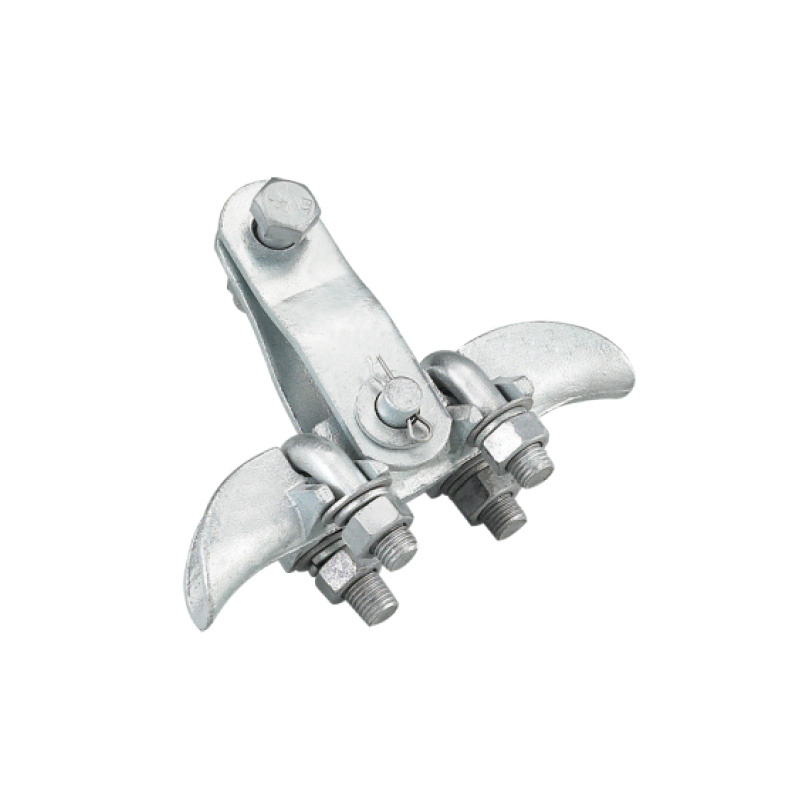 XGU type suspension clamp
XGU suspension clamp is the core hardware of overhead power lines. Its main purpose is to fasten the structure with U-shaped screws, suspend and fix the conductor/ground wire on the insulator string of the straight tower, bear vertical loads and allow the conductor to slide slightly to release thermal expansion and contraction stress, while protecting the conductor and adapting to multiple scenarios to ensure the stability of the line. The following is a detailed explanation:
core purpose
1. Mechanical suspension and fixation: Using U-shaped screws and malleable cast iron hull/pressure plate structure, the wires and ground wires are stably suspended under the insulator string, bearing vertical loads such as wire weight, icing, wind load, etc., maintaining the spatial position of the wires, preventing detachment or excessive displacement, and adapting to steel core aluminum stranded wire, aluminum stranded wire, galvanized steel stranded wire, etc.
2. Stress relief and wire protection: The rubber gasket between the wire clamp and the wire can cushion wind vibration and reduce wear; Allow the wire to slide slightly with temperature changes, release the internal stress caused by thermal expansion and contraction, and reduce the risk of wire breakage; Cooperating with pre twisted wires/armor rods can further disperse grip strength and avoid concentrated stress damage to the wire.
3. Adapt to different wire diameters and working conditions: Models are classified according to wire combination numbers (such as XGU-1 to XGU-6, etc.), and are compatible with wires of different outer diameters; The body has undergone hot-dip galvanizing anti-corrosion treatment, with strong weather resistance, suitable for coastal, chemical industrial areas, high-altitude and other corrosive and windy environments, ensuring long-term reliable operation.
4. Auxiliary special installation and transposition: Jumpers can be fixed on tension and angle towers, transposition conductors can be supported on transposition towers, and reliable connections with insulators and towers can be achieved with coupling components such as hanging plates and hanging rings to meet the special layout requirements of the line.
价格: 0.00 -
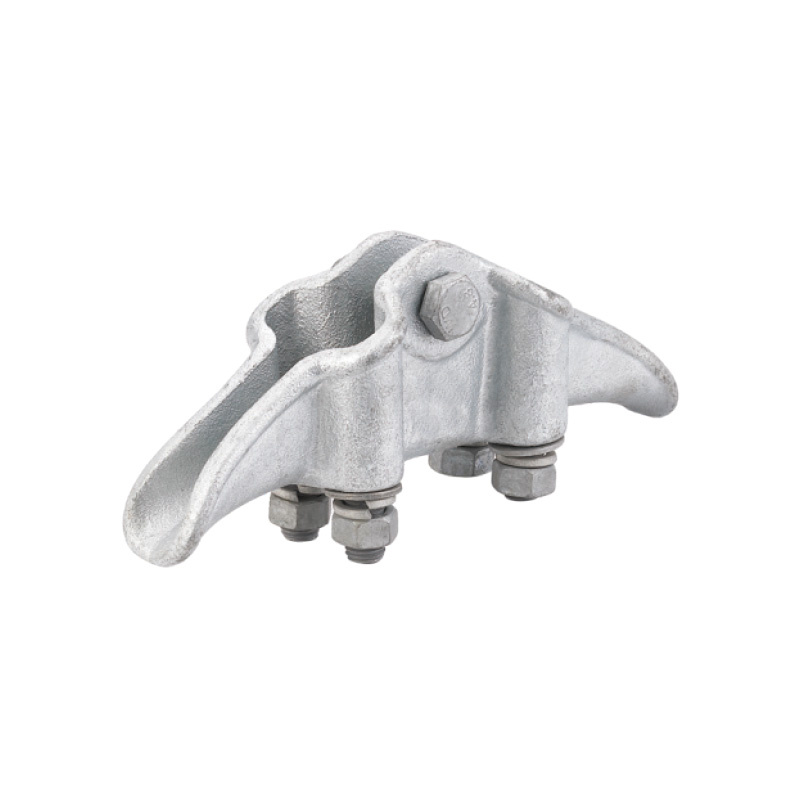 XGT type suspension clamp
The XGT suspension clamp is the core hardware of overhead transmission lines, which is used to suspend and fix the conductor/ground wire on the insulator string of the straight tower, bear vertical loads, and allow the conductor to slide slightly to release thermal expansion and contraction stress, protecting the stability of the conductor and the line. The following is a detailed explanation:
core purpose
1. Mechanical suspension and fixation: By fastening the structure with U-bolts or pressure blocks, the wire/ground wire is stably suspended below the insulator string, bearing vertical loads such as the weight of the wire, icing, and wind loads, maintaining the spatial position of the wire, and preventing detachment or excessive displacement.
2. Stress buffering and wire protection: The rubber gasket between the clamp body and the wire can buffer wind vibration and avoid wire wear; Allow the wire to slide slightly with temperature changes, release the internal stress caused by thermal expansion and contraction, and reduce the risk of wire breakage.
3. Adapt to different wire diameters: Models are classified according to the outer diameter of the wire (such as XGT-1 adapting to 5.0-7.0mm, XGT-6 adapting to 34.0-45.0mm, etc.), and are compatible with commonly used wires such as steel core aluminum stranded wire and aluminum stranded wire to meet the requirements of different voltage level lines.
4. Adapt to complex working conditions: Made of malleable cast iron or aluminum alloy material, treated with hot-dip galvanizing and other anti-corrosion treatments, it has strong weather resistance and is suitable for coastal, chemical, high-altitude and other corrosive and windy environments, ensuring long-term reliable operation of the line.
5. Auxiliary special installation: Jumpers can be fixed on tension and angle towers, and transposed conductors can be supported on transposed towers. Combined with connecting structural components (hanging plates, hanging rings, etc.), reliable connections with insulators and towers can be achieved.
价格: 0.00


Corporate Culture
NEWS
-
09 2026-01
-
09 2026-01
-
09 2026-01

版权所有@河北誉荣电力科技有限公司保留一切权利 冀ICP备2026001102号-1
Entering Yurong
Products
Contact Us
NEWS
Contact: Manager Guo Phone: +86 18931752716 Company Address: 061 Xizhang Village, Xingbieying Town, Hejian City, Cangzhou City, Hebei Province
+86 18931752716

【WeChat】
Hebei Yurong Electric Power Technology Co., Ltd

【Whats APP】